The electrification of construction machinery has become an irreversible trend in the industry, and as the core equipment of building construction, electric excavators, with the advantages of zero emissions, low noise, and high efficiency, are moving from a policy-driven embryonic stage toward a market-led incremental stage.
From rapid growth in the Chinese market to accelerated penetration in overseas markets, from the fine operations of municipal engineering to the heavy-load challenges of mining scenarios, electric excavators are reshaping the industry landscape through technological innovation and becoming the core force of future green construction.
I. Policy and market resonance drive growth in electric excavator sales
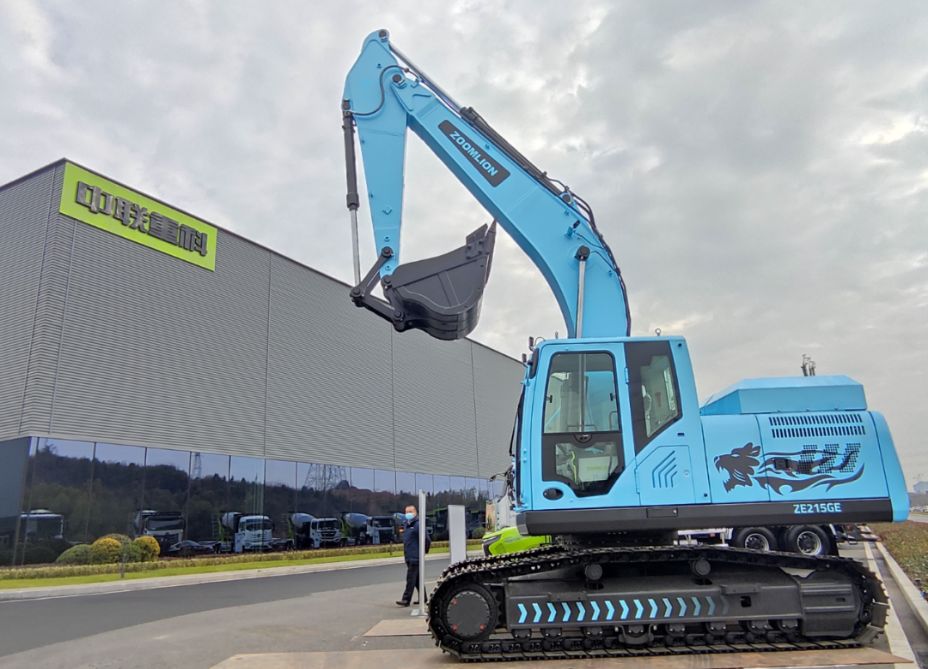
Benefiting from accelerated demand for farmland improvement, new urbanization, and large-scale water conservancy projects, as well as the stock of equipment from the previous industry peak entering a replacement cycle, combined with electrification accelerating the clearing out of existing stock, overall domestic demand for construction machinery in the first quarter grew faster than expected.
According to statistics, in the first quarter of 2025, domestic sales of excavators were 36,562 units, a year-on-year increase of 38.3%; exports were 24,810 units, a year-on-year increase of 5.49%. At the same time, the penetration rate of electrification accelerated, with electric excavator sales in January, February, and March of 18, 19, and 15 units respectively, for cumulative sales of 52 units. This figure may seem modest, but it already represents substantial growth compared with 2024, when total electric excavator sales were only 86 units, with some months seeing sales of just 1-2 units.
The substantial growth in electric excavator sales stems from the superimposed effect of three driving forces.
First, increased infrastructure investment:In the first quarter of 2025, national fixed-asset investment was 10,317.4 billion yuan, a year-on-year increase of 4.2%; of this, infrastructure investment grew by 5.8% year on year, and manufacturing investment grew by 9.1% year on year. Livelihood projects such as transportation and water conservancy are being implemented in concentrated fashion, creating massive demand for electric equipment. In particular, municipal projects such as urban renewal and river course improvement have an urgent need for low-noise, zero-emission equipment, driving the rapid replacement of fuel-powered models by electric excavators in segmented fields.
Second, the arrival of the equipment renewal cycle:The stock of equipment from the 2019-2022 peak in domestic excavator sales is gradually entering a replacement cycle. At the same time, with the upgrading of environmental protection standards and the full implementation of China IV emission regulations, the elimination of old fuel-powered equipment is accelerating, and electrification has become the first choice for replacement.
Third, the continued release of policy dividends:Local governments have successively introduced policies such as purchase subsidies for electric construction machinery and support for the construction of charging facilities. For example, Shenzhen provides a 30% purchase subsidy for pure electric excavators, and Beijing requires government-invested projects to prioritize the procurement of new energy equipment, directly reducing users' operating costs and enhancing market acceptance.
Compared with products such as electric loaders, electric excavators are still in an embryonic stage, but under the dual stimulus of policy and market, this track has already shown signs of an impending boom.
II. Electric excavators flourish in diversity
Although overall sales of electric excavators are currently not high, major enterprises remain committed to the general trend of electrification, continuing to innovate in electric excavators, launching a series of products, and subjecting them to practical testing in construction operations.
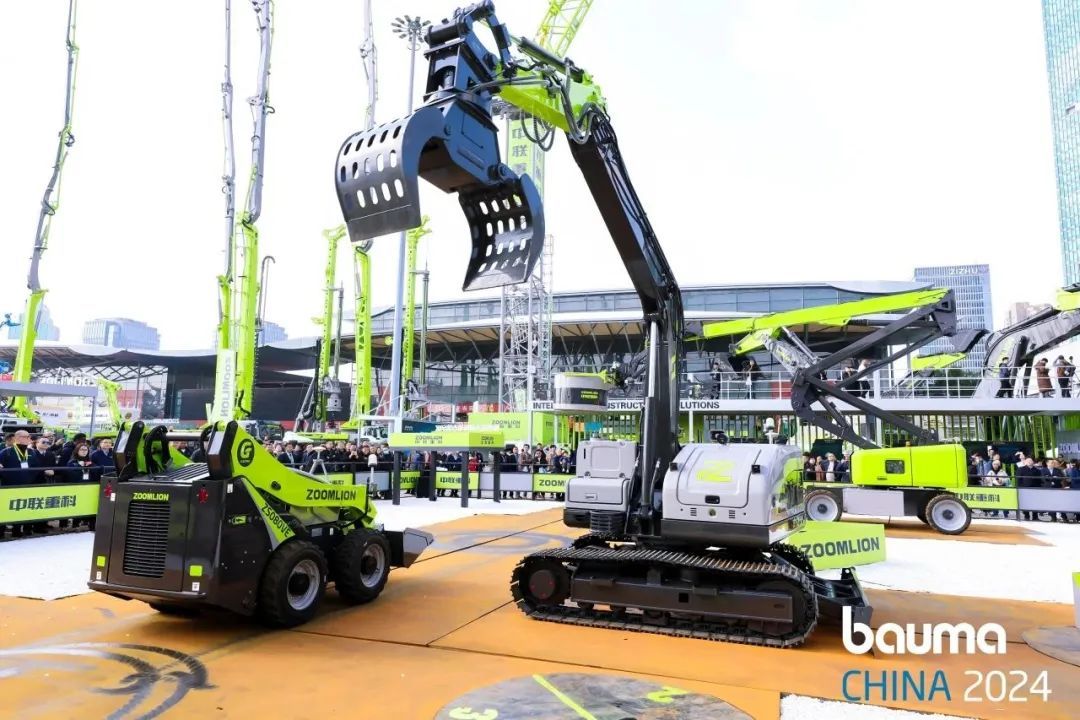
At bauma China 2024 in Shanghai, Zoomlion demonstrated its dynamic display of green unmanned equipment, in which an unmanned excavator was able to autonomously detect and complete grabbing tasks.
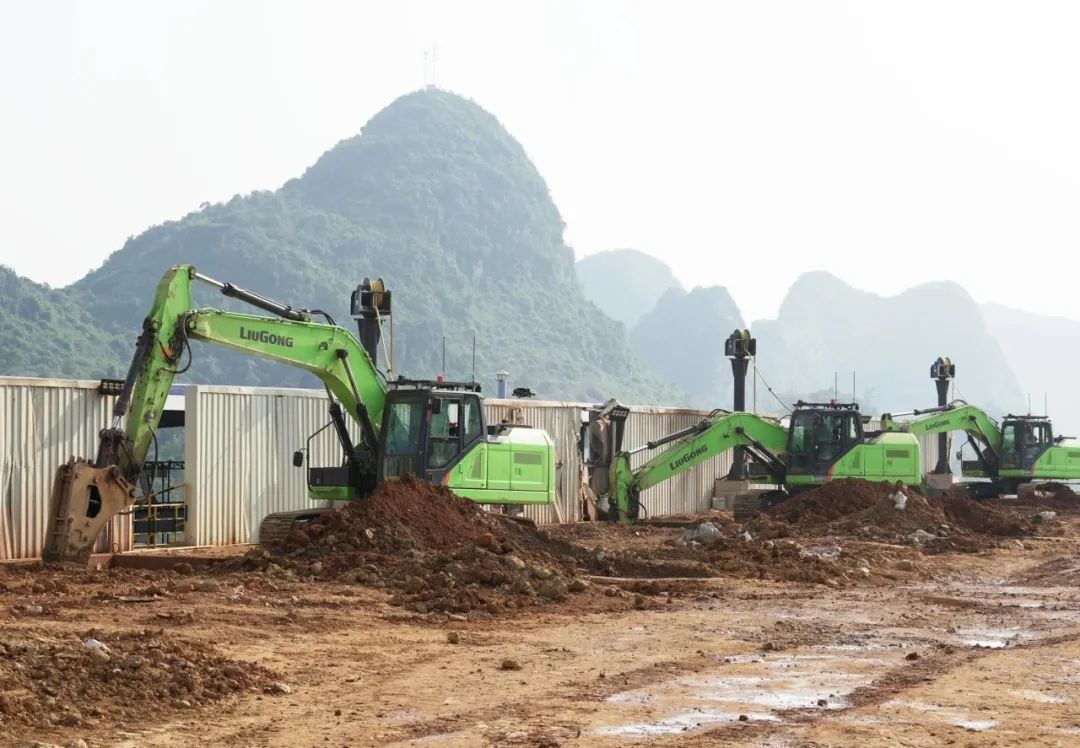
In early 2023, LiuGong delivered 4 electric excavators for use in the Pingguo Aluminum project of Aluminum Corporation of China. As of September 2024, these 4 electric excavators had each accumulated more than 9,000 hours of work, with two of them having exceeded 10,000 working hours. These excavators work an average of 15 to 20 hours per day, maintaining efficient operation in high-intensity, long-duration working environments, fully demonstrating the durability and stability of electric excavators.
In high-intensity working environments across key operating conditions nationwide, dozens of LiuGong electric excavators have each exceeded 10,000 working hours while consistently maintaining efficient operation, demonstrating the durability and stability of electric excavator products.
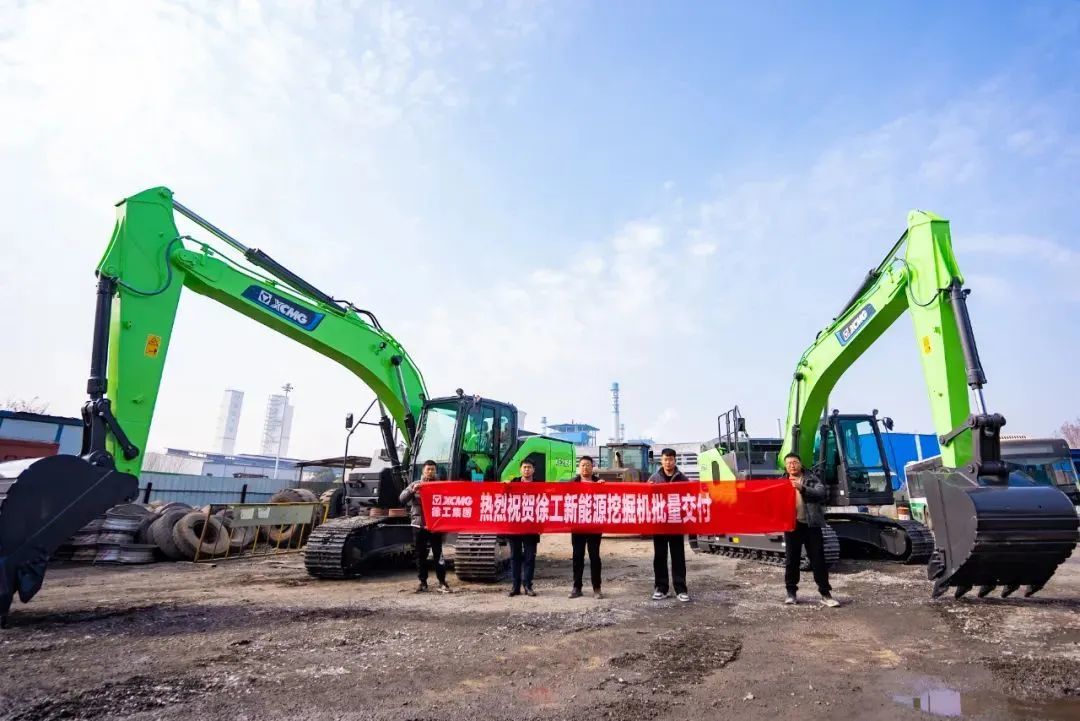
In February of this year, XCMG XE215EV pure electric excavators were delivered in batches to a large domestic steel group. Steel smelting plants are heavy-dust environments, but the XE215EV does not require replacement of filter screens or filter elements, and even harsh environments do not affect its work efficiency. In addition, the XE215EV pure electric excavator is equipped with a large-capacity 423 kWh lithium iron phosphate power battery, providing 6-8 hours of range on a single full charge, with a charging time of no more than 1.5 hours.
"Ordinary fuel-powered machines consume a lot of fuel. We have our own charging yard, and the new equipment has undoubtedly saved us a considerable amount of expense." Customers spoke highly of the cost advantages demonstrated by the XE215EV.
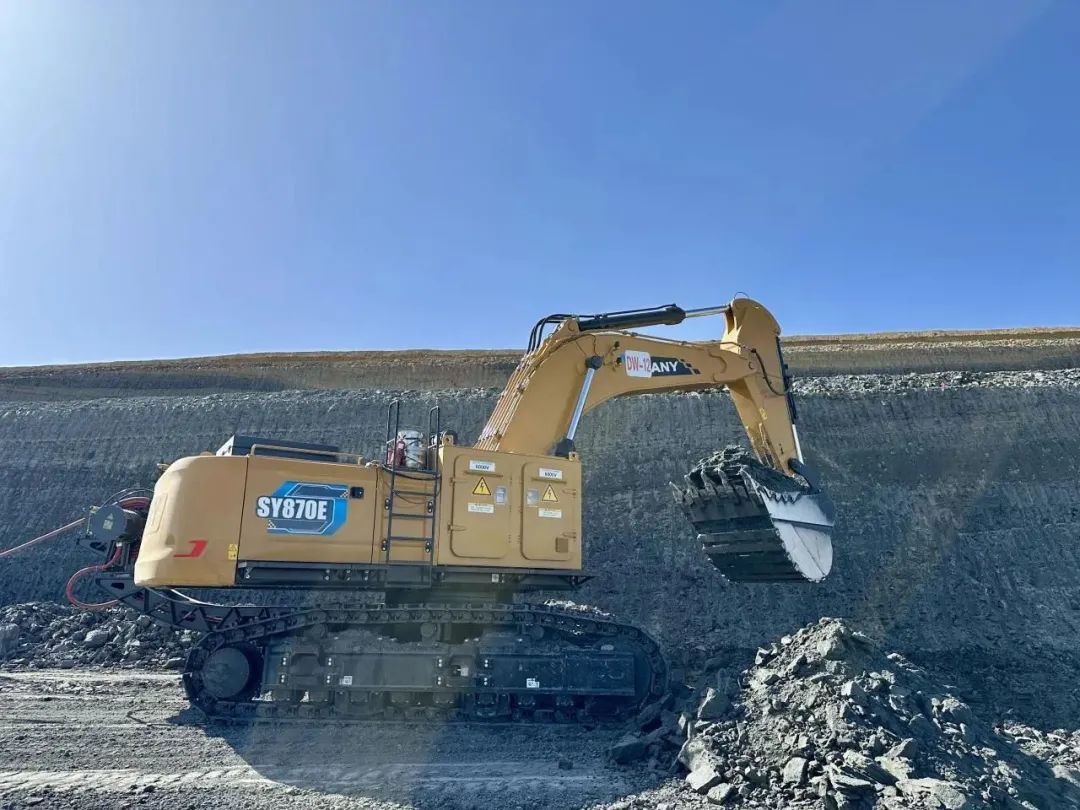
Recently, SANY SY870E super-large-tonnage electric excavators were delivered in batches to a large coal mine. This electric excavator is equipped with a 6 kV, 380 kW high-voltage AC asynchronous motor, with torque increased by 30%. At the same time, the SY870E, based on sensor closed-loop technology, enables intelligent assisted operation and remote diagnosis, and also supports customized function development, providing tailor-made intelligent solutions for mines, with significant economic advantages and a comprehensive cost of use reduced by more than 40%.
In addition to developing rapidly in the domestic market, domestically produced electric excavators are also making continuous breakthroughs in overseas markets.
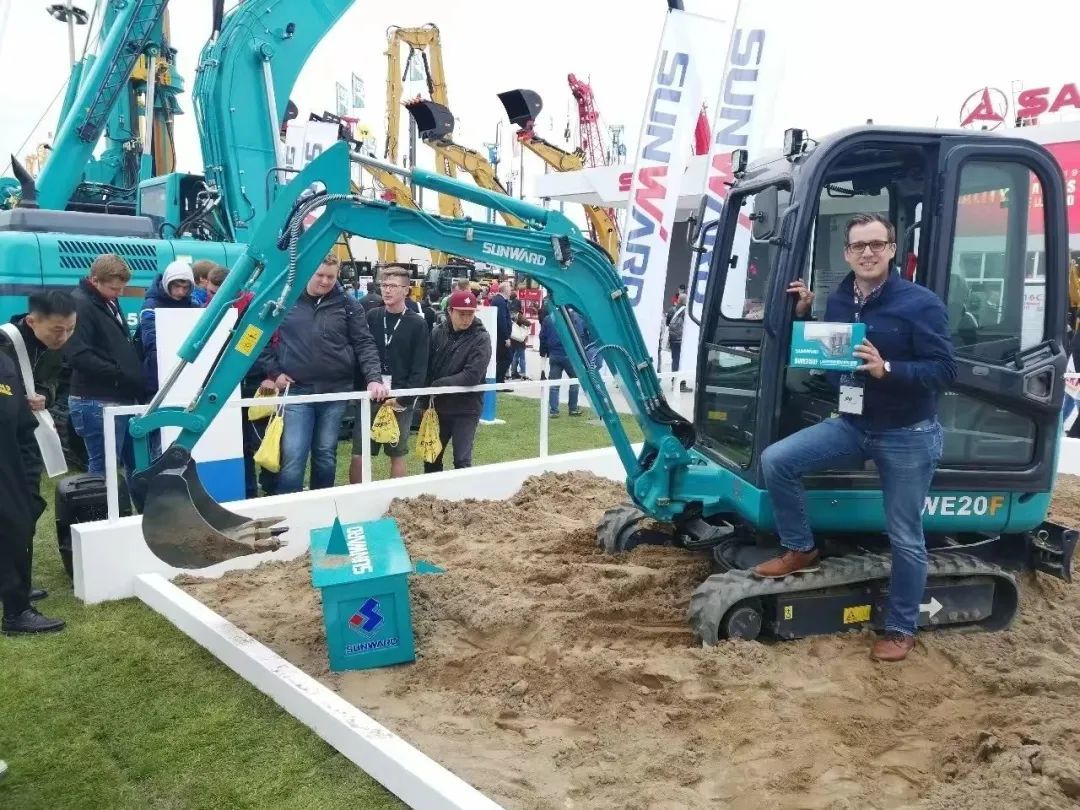
For example, the electric excavators developed by Sunward in response to European environmental standards saw sales in the European market increase by 300% year on year in 2024; the 21-tonne-class SANY electric excavator SY215E made its first appearance in Europe at a product launch event jointly organized by SANY's Dutch dealer DNL and SANY's Dutch subsidiary, securing orders for 20 units on the same day; and as early as 2022, more than 100 XCMG XE270E pure electric excavators were exported for the "E20" new energy equipment supply project in South America, setting a new record for China's exports of new energy excavators.
As China's electric excavators rise, major foreign manufacturers are also unwilling to fall behind. At the recently held bauma 2025 in Germany, many foreign-brand exhibitors showcased their electric excavator products, covering everything from small electric excavators to electric medium excavators of more than 20 tonnes and even large electric excavators of several hundred tonnes.
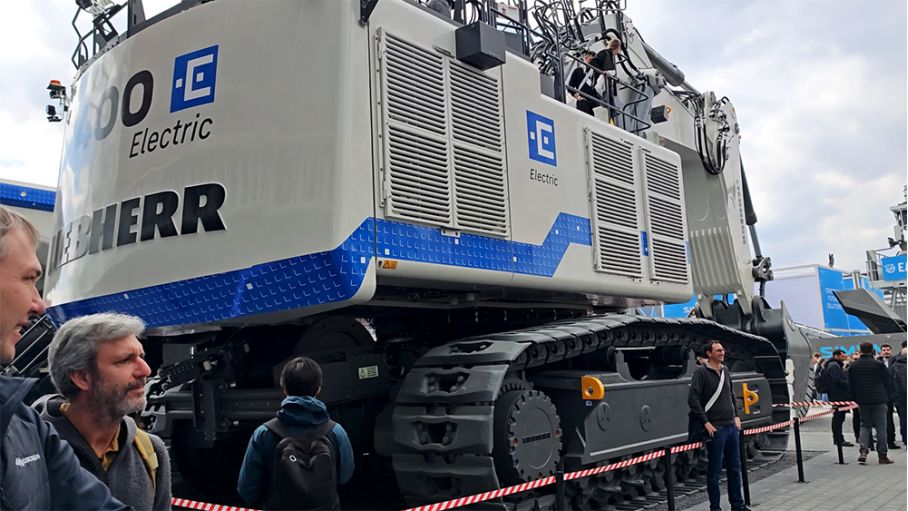
Liebherr brought the 350-tonne-class all-electric mining excavator R9400E, which is equipped with Liebherr's cable and can provide autonomous cable management of up to 300 meters, enhancing operational flexibility and improving job-site mobility;
Caterpillar launched the upgraded Cat 320 electric excavator, equipped with a 387 kWh battery pack, capable of running for 8 hours on a single charge and supporting DC fast charging, with plans to improve energy efficiency by optimizing battery management;
Hyundai Heavy Industries displayed the concept machine HX230e, equipped with a 420 kWh or 503 kWh battery pack and integrating an e-swing slewing motor and electronically controlled hydraulic system, with production expected in 2027.
In addition, there were electric excavators brought by brands such as Hitachi Construction Machinery, Volvo Construction Equipment, and Kobelco.
According to the supplementary provisions of the European Green Deal, starting in 2030, all construction machinery sold in the EU must achieve full life-cycle carbon neutrality, and non-electric equipment will be subject to a carbon tariff of up to 30%.
"In Europe, governments provide considerable subsidies for users to purchase new energy equipment, in order to ease the pressure on users from the relatively high prices of new energy equipment." So said the person in charge of new energy equipment market business at the Hitachi Construction Machinery booth at bauma 2025. A series of policies is expected to provide market growth opportunities for electric excavators.
III. Challenges facing electric excavators
Compared with the repeatedly doubling penetration rate and sales of electric loaders in recent years, the monthly sales of electric excavators, at just over a dozen units, are still in the initial stage. So, compared with electric loaders, what more difficult challenges do electric excavators face?
1. High technical threshold: electric excavators are "hard to please"
Excavators must undertake high-intensity work tasks and usually need to run continuously for more than 8 hours. Compared with electric loading and unloading equipment such as electric loaders, which are mainly used in fixed scenarios such as ports and mines where charging conditions are convenient, electric excavators operate in complex and changeable environments and generally face the problems of insufficient battery range and a lack of supporting charging facilities.
In addition, loaders mainly perform loading and unloading, with relatively simple movements, so the technical difficulty of electrification modification is lower. Electric excavators, by contrast, cover multi-dimensional movements such as digging, swinging the arm, and slewing, placing extremely high demands on motor power and the stability of the control system.
2. Cost-benefit imbalance and long investment payback period
Currently on the market, the purchase cost of a 5-tonne-class electric excavator is 30%-50% higher than that of the diesel version. Although electric loaders also carry a price premium, their fuel substitution effect is significant. Excavators, however, operate under complex working conditions, and their fuel economy advantages are not obvious, leading investors to generally hold pessimistic expectations about their cost recovery period.
3. Application scenarios are a poor fit, and promotion faces practical obstacles
Excavators often need to work in remote environments such as the field and mountainous areas, where supporting charging facilities are basically nonexistent. Electric loaders, by contrast, are mainly used in enclosed scenarios such as ports and mines, where not only are charging facilities complete, but rapid battery swapping can also be achieved. Infrastructure conditions directly affect the feasibility of implementing electrification technology.
Despite facing many challenges and difficulties, electric excavators still have great hope of turning things around, as long as the three major problems of technology, cost, and scenarios are solved.
For excavator owners: if you want to try introducing electric excavators, it is recommended to start with small and medium-tonnage models, giving priority to enclosed or semi-enclosed working scenarios for pilot trials, and then gradually expanding the scale of application after technological maturity improves. At the same time, it is necessary to pay close attention to policy developments and actively seek relevant subsidies to reduce initial investment pressure.
For manufacturing enterprises: it is necessary to change the marketing tendency of simply pursuing "technological gimmicks," conduct in-depth research into construction site needs, and focus R&D on improving the reliability of core components. It is recommended to extend the battery warranty period to more than 5 years and to push the after-sales service network down to the county level, effectively enhancing users' acceptance of electric excavators by improving maintenance convenience and reducing costs of use.
Although the current industrialization process of electric excavators faces multiple challenges such as technology, cost, and scenario adaptability, its development potential is still worth anticipating. By breaking through performance bottlenecks through technological innovation, optimizing the cost structure to improve economic viability, and solving scenario adaptability problems in a targeted manner, electric excavators are expected to achieve substantive breakthroughs in the future.
[May Day Special · Salute to Workers] Researcher Li Haibing of the Institute of Geology, Chinese Academy of Geological Sciences, Honored with the Title of "National Advanced Worker"
下一篇Jianke Hydropower Station Successfully Lowers Gates to Impound Water

2026-09-28 1157 0
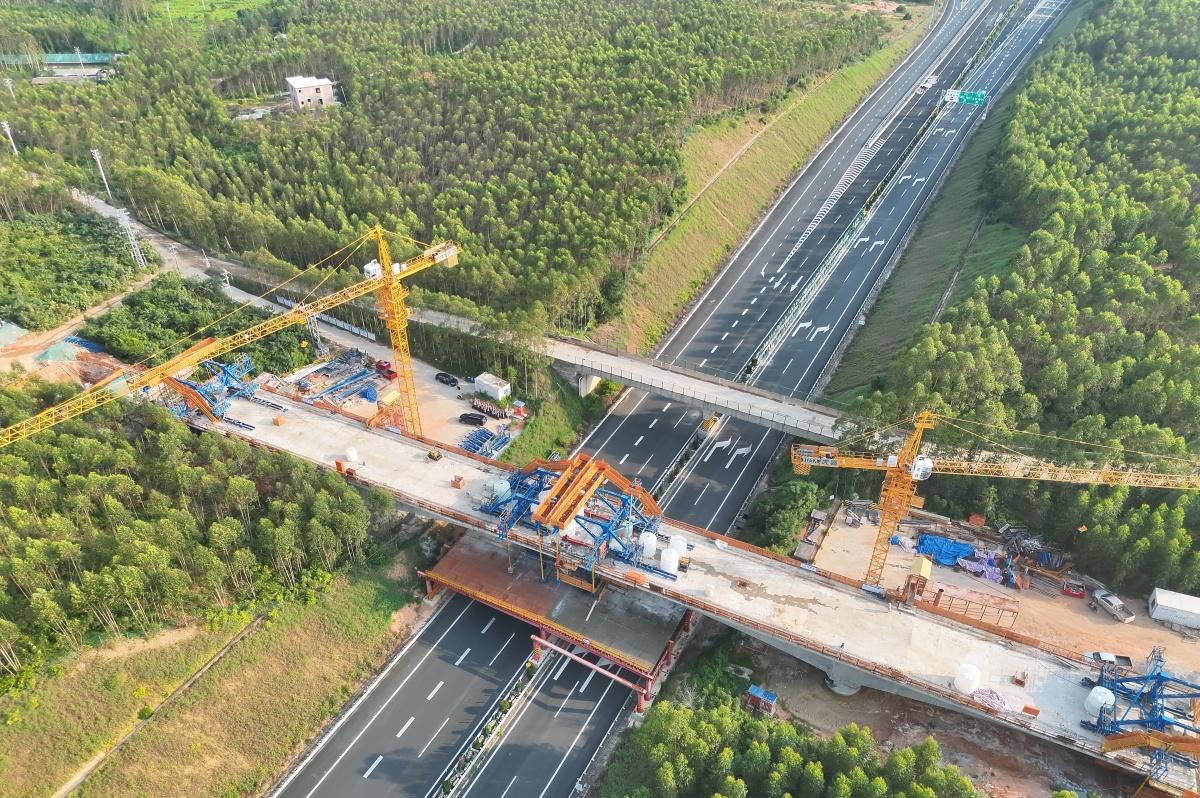
2026-09-24 10586 0
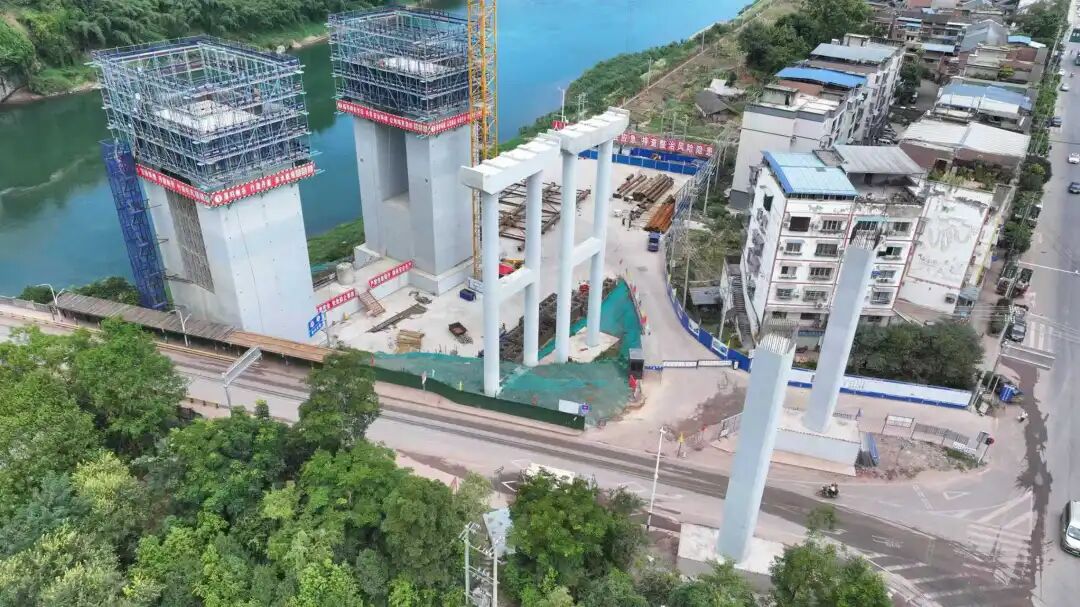
2026-09-23 10714 0
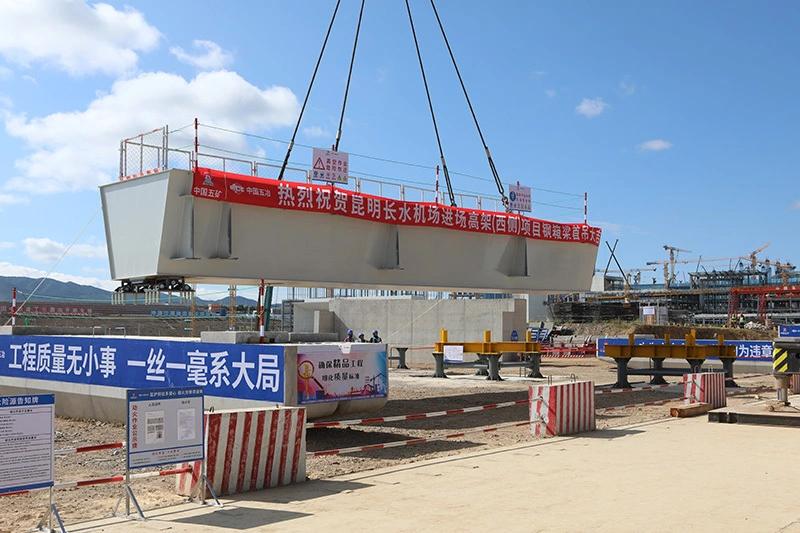
2026-09-22 10808 0

Lize City Air Terminal Underground Main Structure Nearing Completion: Maximum Transfer Walk Under 4 Minutes After Operation

Anti-seepage Curtain for Main Lock Pit of CSCEC Port Shenqiu Double-Line Lock Project Completed on Schedule

All Pile Foundations Completed on Quanzhou Baiqi Channel

Hainan Upgrades Housing and Municipal Infrastructure
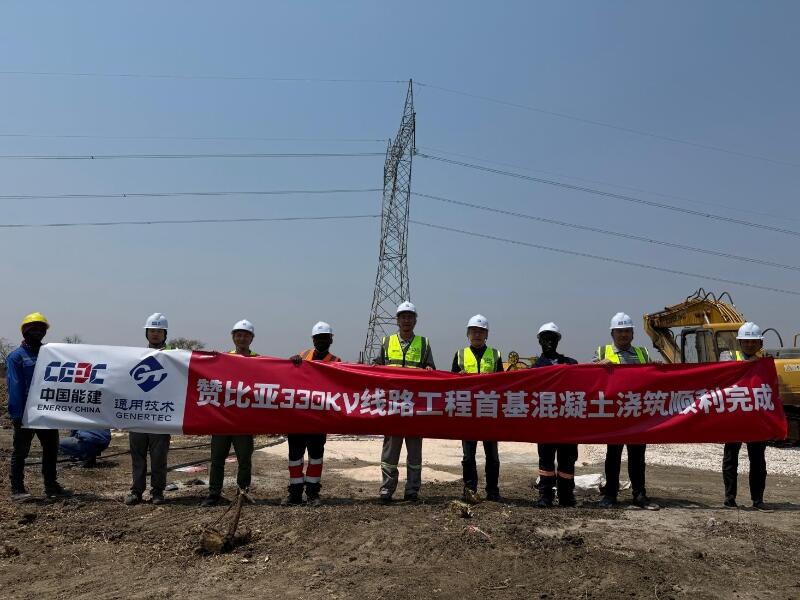
First Foundation Concrete Pour Successfully Completed for Zambia Kafue West–Muzuma 330kV Transmission Line EPC Project
Hot News

评论 (0)