In 2025, the construction hoisting machinery sector has still not fully emerged from the "winter," with industry data having declined for several consecutive years. However, the industry also displays distinctive features: "accelerated quality upgrading, gathering momentum for innovation, and strong export momentum." Reporters learned from the annual conference of the construction hoisting machinery industry that the sector is breaking through amid structural adjustment, with the overall market sales decline significantly narrowing compared with earlier periods, export markets surging against the trend, and the industry undergoing a profound transformation from scale expansion to value reshaping.
From November 27 to 29, the 2025 Annual Conference of the Construction Hoisting Machinery Branch of the China Construction Machinery Association and the industry forum themed "Pursuing Innovation Through Quality • Building Dreams Globally" were held in Yiwu, Zhejiang. Yu Lekang, President of the Construction Hoisting Machinery Branch, disclosed in his keynote report: "2025 is the fourth consecutive year of decline for the industry. Measured by tower crane units, sales fell 52% year-on-year in 2022, 26% in 2023, 62.8% in 2024, and 30.6% in the first three quarters of 2025, with the decline somewhat narrowing."
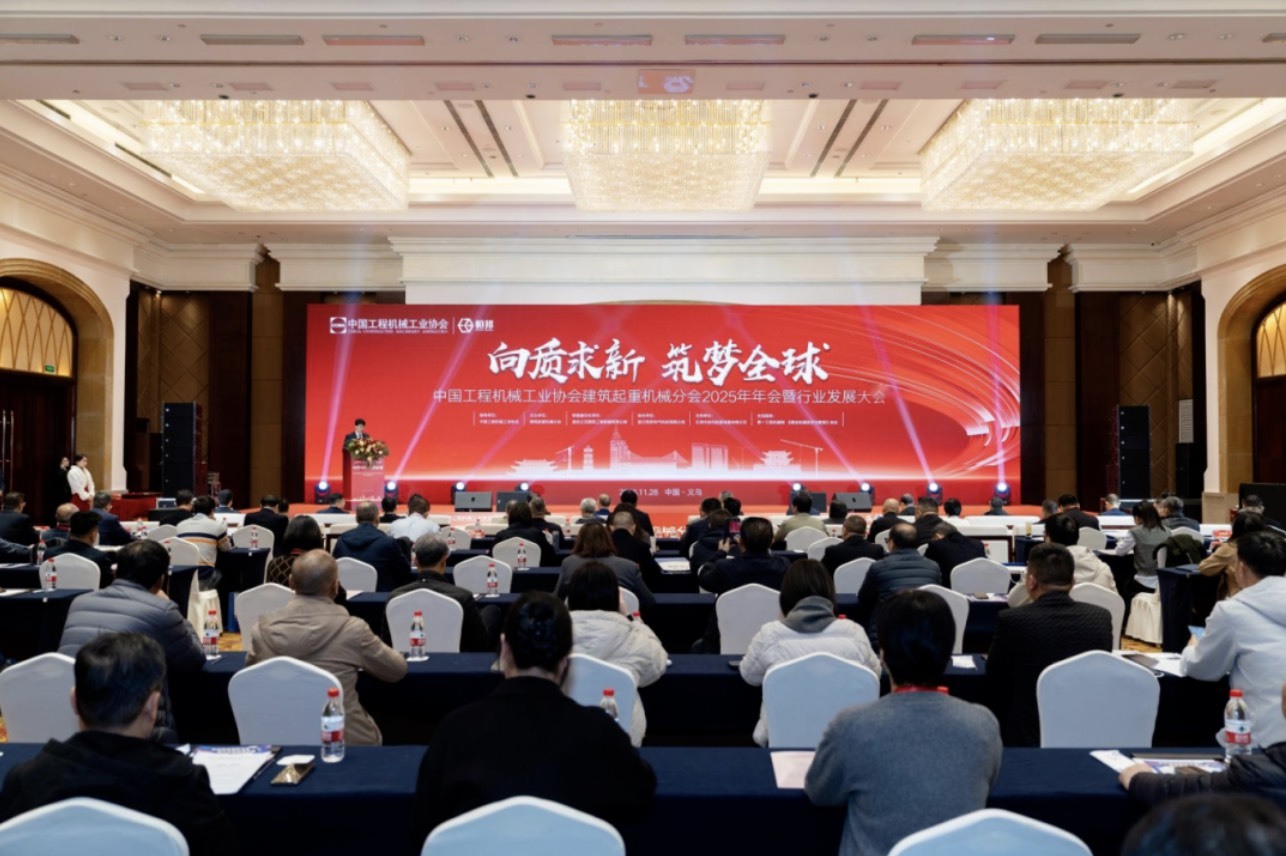
2025 is a pivotal year for the development of the construction hoisting machinery market situation, and how the industry will change in the future has become the topic of greatest concern among industry insiders.
I. Industry Operating Status in 2025
Tower cranes and construction hoists, as the two core categories of construction hoisting machinery, according to statistics from the Construction Hoisting Machinery Branch on 26 industry enterprises for 2025, show a striking contrast in sales data for January-October 2025: "cold domestically, hot in exports."
First, tower cranes: cumulative sales from January to October totaled 4,465 units, corresponding to sales revenue of 6.18 billion yuan, down 19% year-on-year. Domestic market sales were only 2,352 units, with revenue of 3.44 billion yuan, a sharp decline of 51.2% year-on-year, closely related to the reduction in new domestic real estate starts and the ample stock of equipment for traditional infrastructure projects. Data from the National Bureau of Statistics show that from January to September, the national floor space under construction was 6.486 billion square meters, down 9.4% year-on-year; new construction area was 454 million square meters, down 18.9%; and completed area was 311 million square meters, down 15.3%.
The export market, by contrast, rose against the trend, with cumulative exports of 2,113 units and revenue of 2.74 billion yuan, up 30.4% year-on-year. The rapid growth of overseas orders effectively offset the downturn in the domestic market.
Second, construction hoists: sales in the same period totaled 4,070 units, with revenue of 860 million yuan, down 29% year-on-year. Domestic market sales were 3,552 units, with revenue of 720 million yuan, a year-on-year decline of 32.7%; exports were 518 units, with revenue of 140 million yuan, a year-on-year surge of 91.1%.
The data show that since 2025, the overall economic indicators of the construction hoisting machinery industry have been characterized by "stability" as the priority. Although overall industry sales are still declining due to factors such as the adjustment in the domestic real estate industry and the slower pace of starts on traditional infrastructure projects, compared with the sharp fall in 2024, the decline in construction hoisting machinery has narrowed significantly. At the same time, the industry's foreign trade has remained basically stable, and the outstanding performance on the export side has become a key driver for stabilizing the industry.
It is also worth noting that in 2025 industry concentration further increased, with the top 10 enterprises achieving sales revenue of 6.32 billion yuan, accounting for 90% of total sales. In addition, enterprises such as Manitowoc and Dahan achieved renewed growth, with Manitowoc up 61.4% year-on-year and Dahan up slightly by 1.1% year-on-year. However, some traditional giants and a large number of small and medium-sized enterprises still face deep declines or even exit from the market, and the industry situation remains relatively severe.
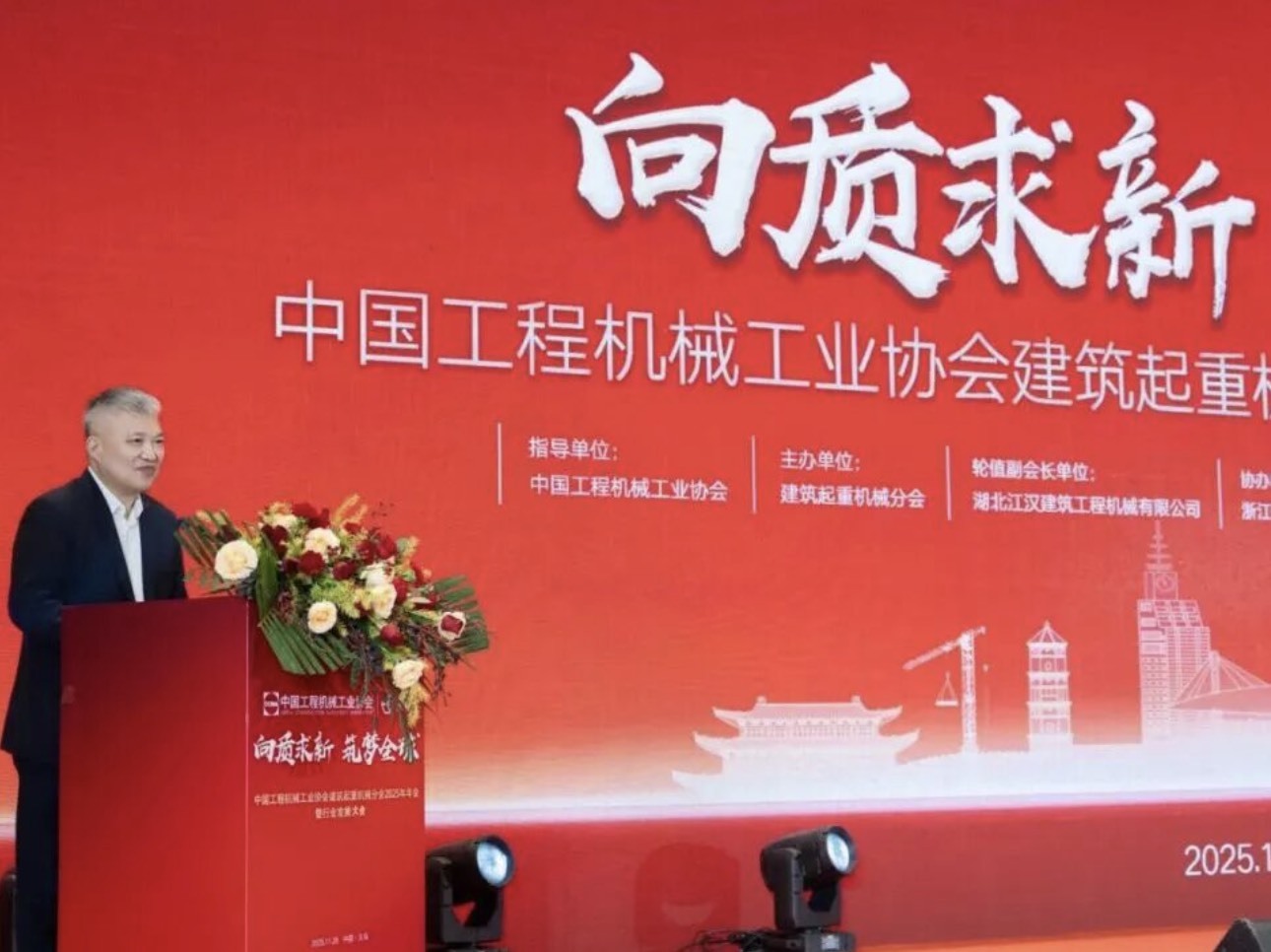
Yu Lekang, President of the Construction Hoisting Machinery Branch, delivering the keynote report
Reporters recently learned from the construction hoisting machinery rental market that the rental situation is also not optimistic. According to Shanghai Pangyuan data: from January to October, Pangyuan's average ton-meter utilization rate was 49.3%, down 0.2 percentage points from the same period last year; among this, the average utilization rate from July to October was down 0.5 percentage points from the same period last year. Data from the China Construction Machinery Association show that from January to September, the average new order price index of the Tower Crane Rental Industry Prosperity Index (TPI) fell 10.6% year-on-year; among this, it rose 2.4% quarter-on-quarter in Q1, fell 7.6% quarter-on-quarter in Q2, and fell 9.0% quarter-on-quarter in Q3.
The severe situation upstream and downstream indicates that the domestic market for construction cranes still faces difficulties. So will the industry see a turnaround in 2026?
II. Industry Opportunities and Challenges in 2026
At the 2025 Annual Conference of the Construction Hoisting Machinery Branch, President Yu Lekang looked ahead to the industry situation in 2026 in his keynote report and pointed out that in 2026 the industry will encounter multiple opportunities from favorable policies, technological iteration, and market expansion, while also facing realistic challenges of intensified competition and upgraded standards.
Based on the keynote report and industry developments, Construction Machinery Brand Network believes that in 2026 the industry will mainly face the following opportunities and challenges:
Favorable policy tailwinds: With the official launch of the 15th Five-Year Plan, the domestic infrastructure sector will welcome a new round of policy dividends. The implementation of major projects such as urban renewal, county-level infrastructure, and transportation and water conservancy will release stable incremental demand for construction hoisting machinery; at the same time, national-level support policies for the high-end equipment manufacturing industry will also provide strong guarantees for the industry's technological upgrading.
Accelerating technological revolution: Intelligent, digital, and green development have become the core directions of the industry's technological upgrading. On the one hand, intelligent cranes equipped with IoT and AI algorithms are gradually replacing traditional equipment, greatly enhancing remote monitoring and intelligent scheduling capabilities; on the other hand, the application of new energy power and lightweight materials is accelerating, speeding up the industry's green transformation. In addition, the domestic production rate of core components continues to rise, breaking the technological monopoly of overseas brands and providing room for the industry to reduce costs and increase efficiency.
Broad global market space: In the domestic market, in addition to traditional infrastructure, demand in fields such as wind power hoisting, nuclear power construction, and new infrastructure is rising rapidly. The hoisting of large-megawatt wind turbine units has sharply increased demand for large-tonnage cranes, and the intensive start of nuclear power projects has also generated procurement demand for specialized hoisting equipment. These new tracks will become core growth points in the domestic market.
In overseas markets, the infrastructure boom in emerging regions such as Southeast Asia and the Middle East continues to heat up, and the implementation of engineering projects in countries along the "Belt and Road" is accelerating, which will continue to drive export demand for construction hoisting machinery, and the industry's high overseas growth trend is expected to continue.
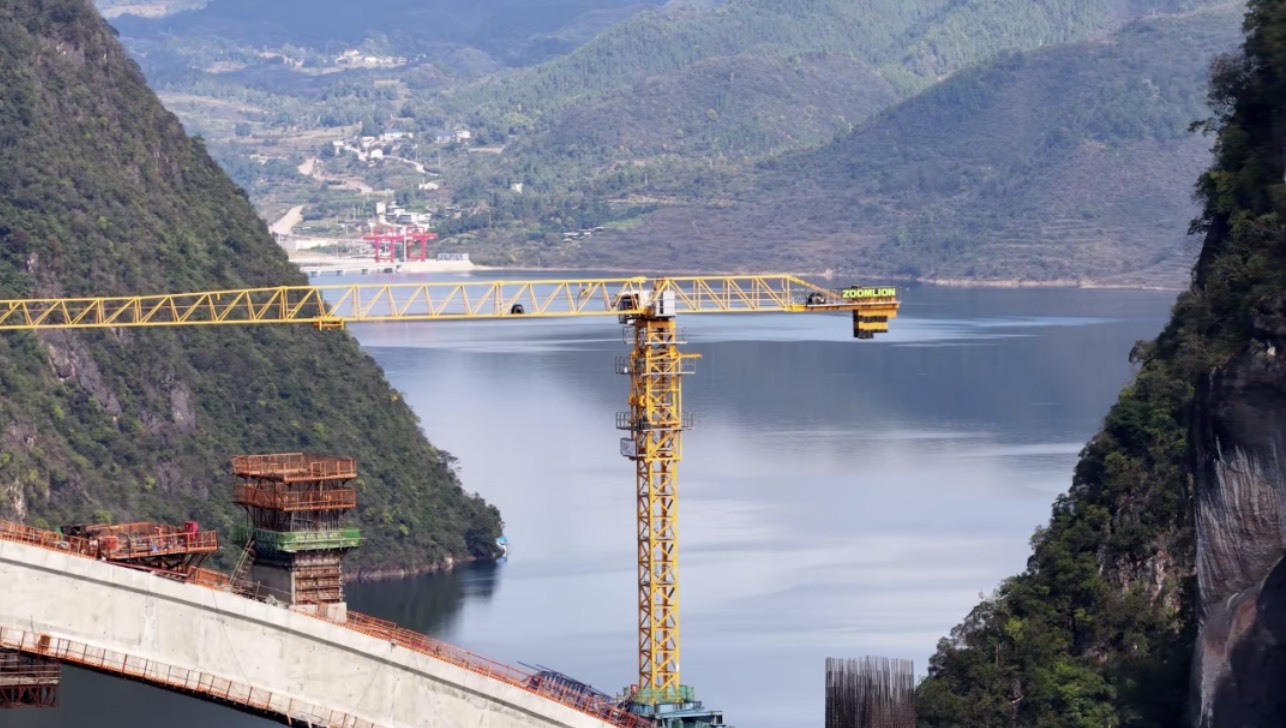
At the same time, the industry still faces the following challenges.
Intensified competition: The continuous increase in market concentration means that competition among leading enterprises will become even more intense, and although the accelerated exit of small and medium-sized capacity can optimize the industry landscape, in the short term it will also trigger price wars in local markets and squeeze corporate profit margins.
Upgraded standards: At present, technical standards within the industry are not yet fully unified, and there are differences in interfaces and data protocols among equipment of different brands, making interconnection and interoperability of cross-brand equipment relatively difficult. This not only affects construction efficiency but also constrains the overall advancement of the industry's intelligent and digital development.
International risks: Global trade barriers and geopolitical risks coexist, and equipment import restrictions and tariff policies introduced by some countries may impact the industry's exports; at the same time, insufficient localized service capabilities in overseas markets may also affect enterprises' overseas market expansion.
III. Direction of Industry Transformation and Upgrading
Starting in 2025, the domestic construction hoisting machinery market has entered a new cycle of "value competition." The industry's total volume will show a moderate recovery, but the market structure will diverge significantly: demand for equipment of ordinary tonnage and low technological content will continue to shrink, while the market share of large-tonnage, intelligent, and specialized equipment will rise rapidly.
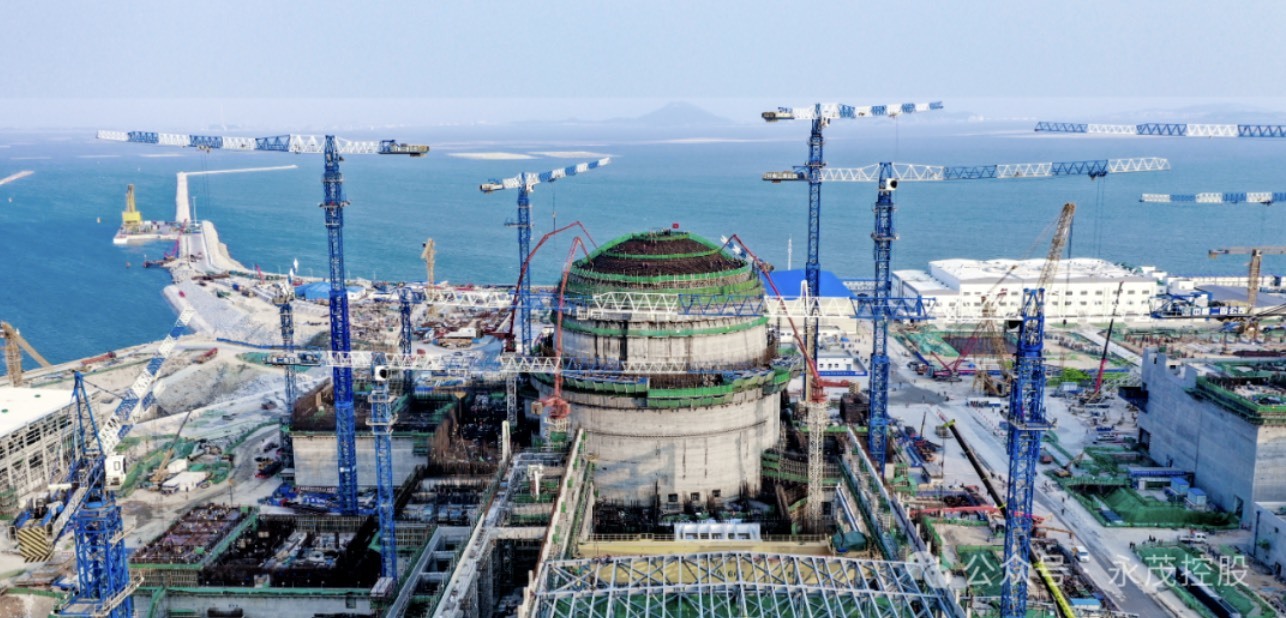
Demand in segmented fields such as new infrastructure, wind power hoisting, and nuclear power is reshaping the industry's competitive landscape. Enterprises capable of providing customized equipment and integrated services will seize the initiative in the new tracks, while enterprises clinging to traditional categories will face the risk of being eliminated.
At the same time, relying on the locational advantages and product competitiveness of the "Belt and Road" as well as the global layout of leading enterprises, the industry's export share is expected to climb further, and overseas markets will become the core pillar of industry growth.
To avoid trade barriers and geopolitical risks, leading enterprises are accelerating a global layout of "localized production + service networks." By establishing production bases and after-sales outlets in core markets such as Southeast Asia and the Middle East, they achieve local manufacturing and rapid response for equipment, which not only reduces transportation and tariff costs but also improves the service experience of overseas customers.
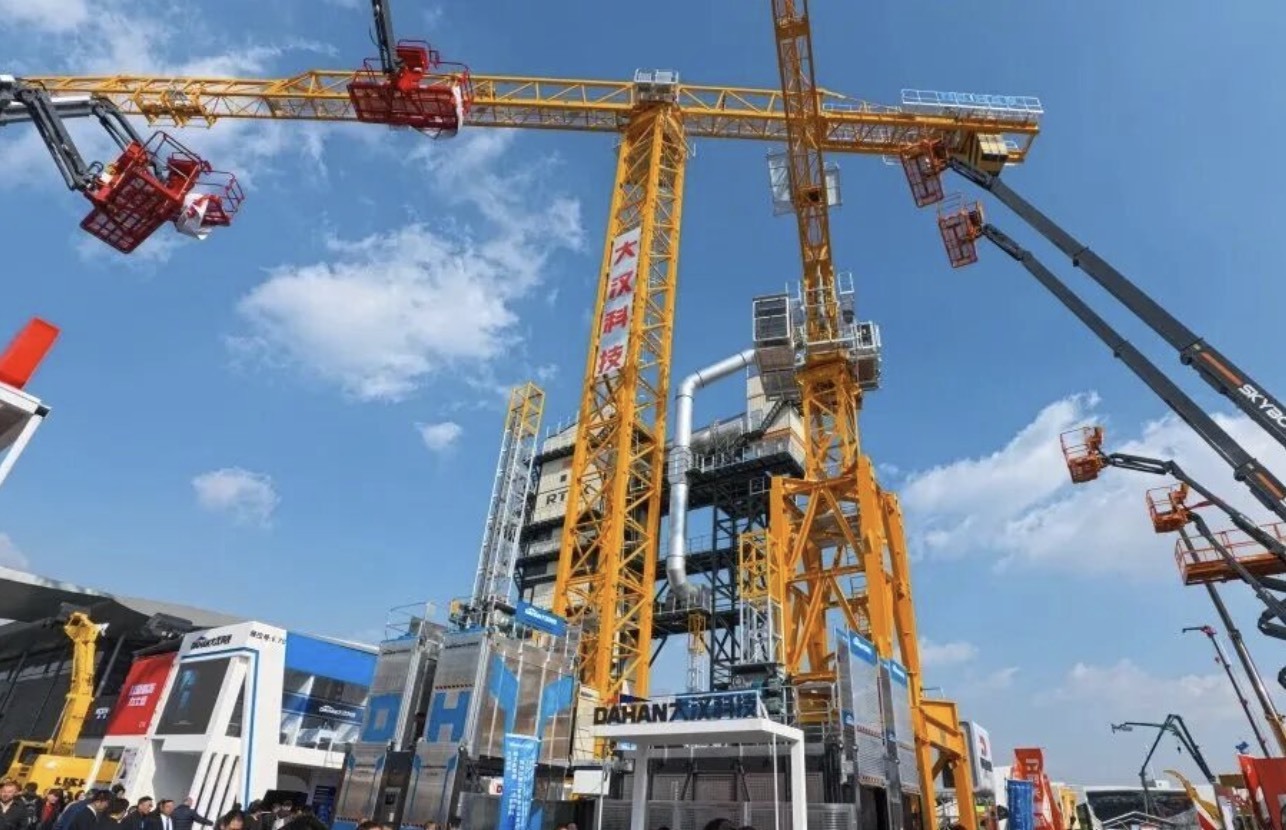
In recent years, although the market environment for construction hoisting machinery has not been optimistic, industry people have always remained resolute and forged ahead, seizing development opportunities and keeping pace with the times. In the future, with the launch of the 15th Five-Year Plan, the advancement of the "Belt and Road" strategy, the implementation of new infrastructure policies, and the steady recovery of global manufacturing, new growth opportunities will be provided for the development of the construction crane industry, and 2026 may see an inflection point.
Breaking Through Barriers and Crossing Mountains and Rivers! "Chinese Records of Craftsmanship" Witnesses LiuGong's "Steel Comrades-in-Arms" on Polar Expeditions
下一篇Future Giant Hydroturbine Generator Units Forum Successfully Held in Beijing

2026-09-28 1157 0

2026-09-24 10586 0

2026-09-23 10714 0

2026-09-22 10808 0

Lize City Air Terminal Underground Main Structure Nearing Completion: Maximum Transfer Walk Under 4 Minutes After Operation

Anti-seepage Curtain for Main Lock Pit of CSCEC Port Shenqiu Double-Line Lock Project Completed on Schedule

All Pile Foundations Completed on Quanzhou Baiqi Channel

Hainan Upgrades Housing and Municipal Infrastructure

First Foundation Concrete Pour Successfully Completed for Zambia Kafue West–Muzuma 330kV Transmission Line EPC Project
Hot News

评论 (0)