On October 8, the bipolar high-end DC system of the Ningxia–Hunan ±800 kV UHVDC transmission line project (hereinafter referred to as the "Ningdian Ru Xiang" project), China's first approved UHV transmission corridor mainly dedicated to delivering new energy from large-scale wind and photovoltaic bases in the "desert, gobi and wasteland" regions and designed with the participation of Hubei Engineering Company, completed its 168-hour trial operation and was officially put into operation, marking the project's full completion and commissioning with a power transmission capacity of 8 million kilowatts. Ningxia's outward power transmission capacity has jumped from 14 million kilowatts to 22 million kilowatts, which will greatly drive the local consumption of new energy in Ningxia and the large-scale optimized allocation of new energy, effectively promoting high-quality economic and social development in Ningxia and the North China, East China and Central China regions.
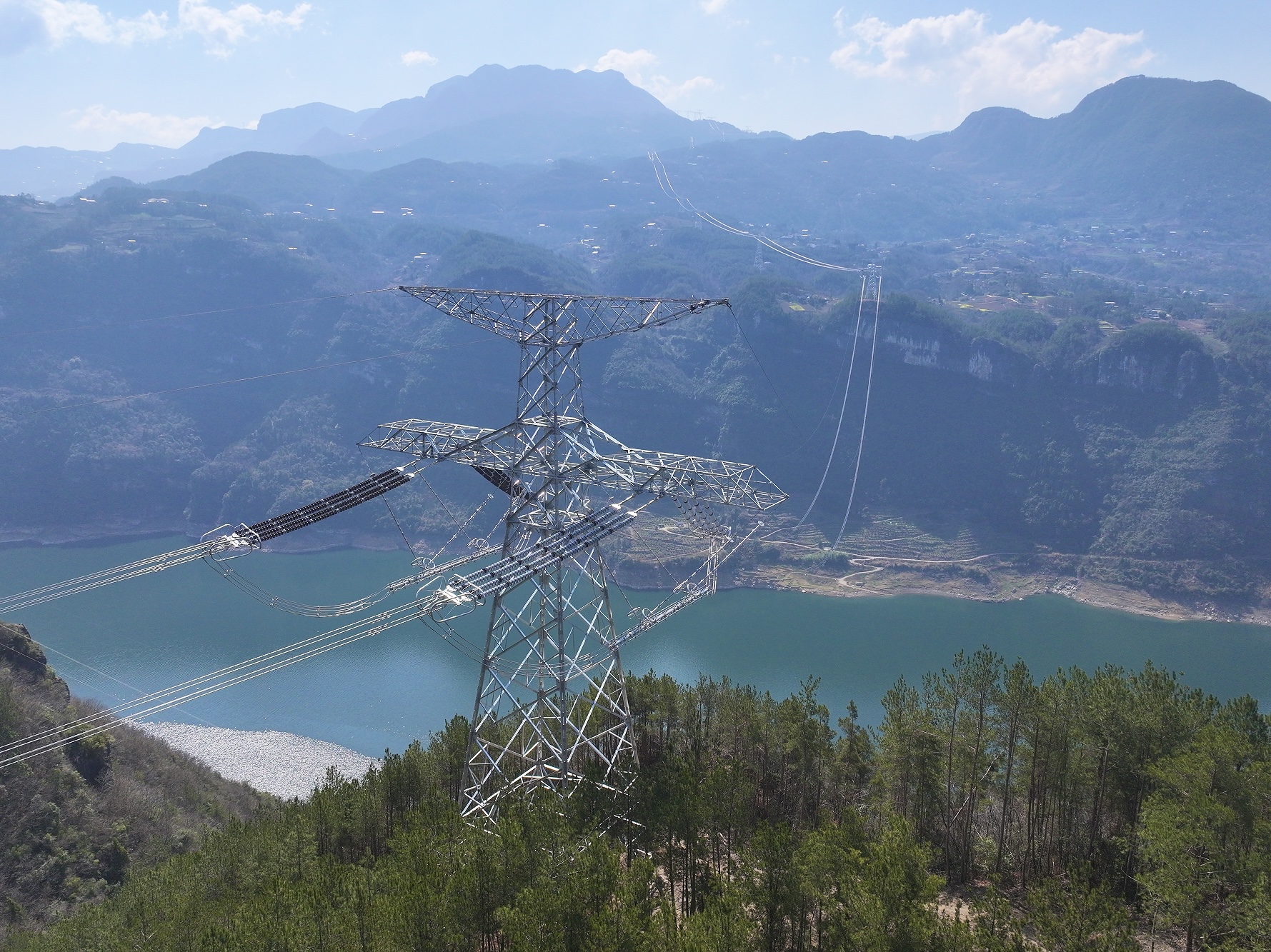
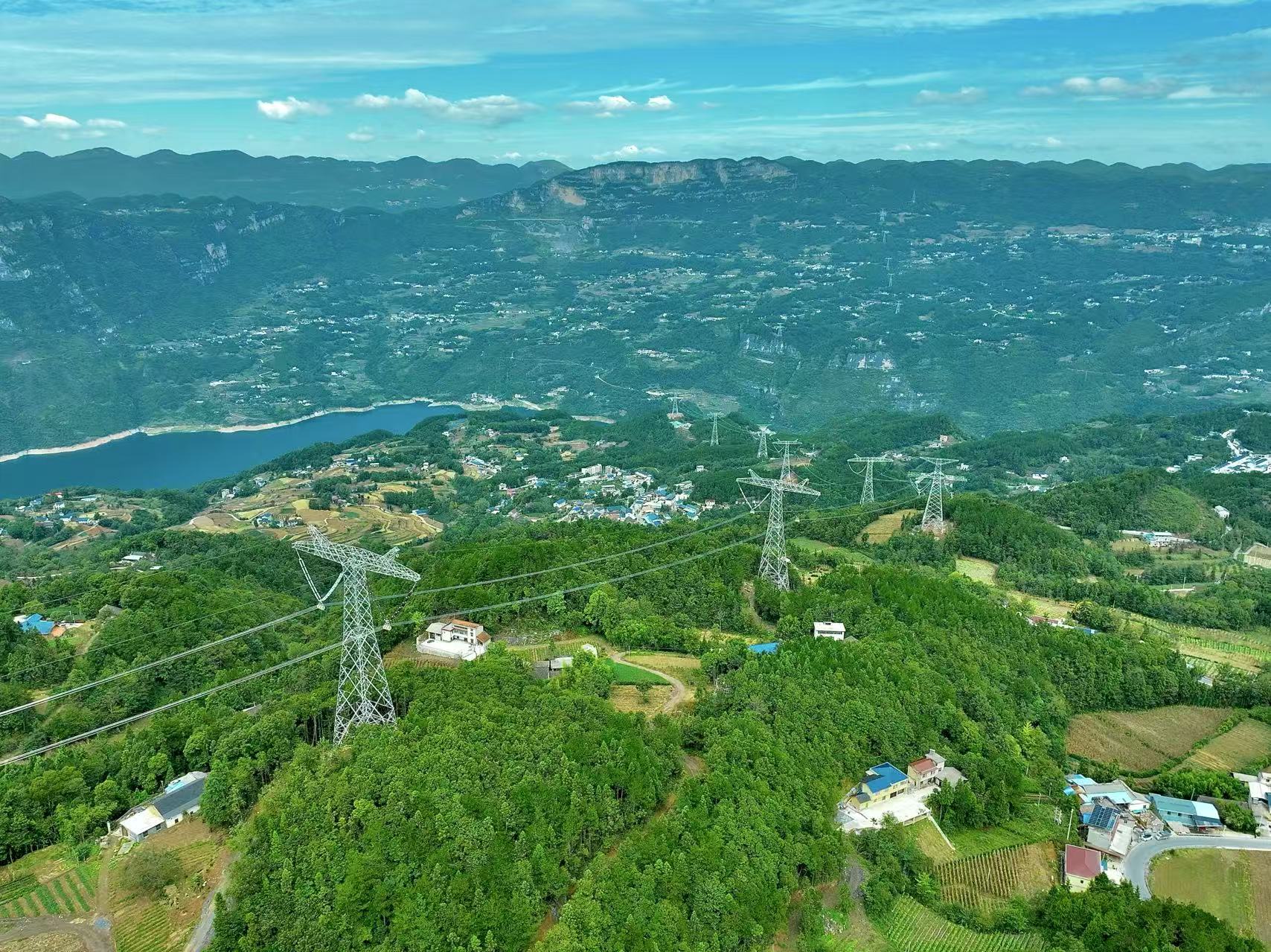
As an important component of the "West-to-East Power Transmission" initiative, the "Ningdian Ru Xiang" project is a key project in China's 14th Five-Year Power Development Plan and the country's first major power export corridor mainly dedicated to transmitting new energy from large-scale wind and photovoltaic bases in "deserts, gobi and wastelands." The project starts at the Zhongning Converter Station in Zhongwei City, Ningxia, passes through Gansu, Shaanxi, Chongqing and Hubei, and ends at the Hengyang Converter Station in Hengyang City, Hunan Province, with a total line length of approximately 1,616 kilometers.
The project's supporting power sources have a total installed capacity of 17.64 million kilowatts and can transmit more than 36 billion kilowatt-hours of electricity to Hunan each year, of which new energy accounts for more than 50%. The project can increase Hunan's power supply by about one-sixth each year, meeting the annual electricity demand of 3 million ordinary households. It fundamentally enhances the resilience and security level of energy supply in Central China, effectively alleviates local power shortages, effectively drives the development of the energy industry in the western region, and strongly supports the transformation of Ningxia's energy resource advantages into economic and development advantages. It is of great strategic significance for promoting the realization of the "dual carbon" goals and ensuring power supply. According to estimates, the project can reduce standard coal consumption in the receiving-end region by 6.15 million tons per year and lower carbon emissions by 16.82 million tons, providing key support for the low-carbon energy transition.
Construction of the project officially started in June 2023, and the entire construction and commissioning process was completed in only two years and four months. Its bipolar low-end DC system was officially put into commercial operation on June 29 this year, with a power transmission capacity of 4 million kilowatts. The bipolar high-end DC system began energized commissioning on September 11 and completed its 168-hour trial operation at 0:00 on October 8, officially entering operation, marking the project's full completion and commissioning with a power transmission capacity of 8 million kilowatts. To date, the project has cumulatively transmitted more than 4.5 billion kilowatt-hours of electricity to Hunan, equivalent to the annual electricity consumption of 375,000 ordinary households.
The design section undertaken by Hubei Engineering Company is approximately 102 kilometers long. The entire route lies in mountainous and high-mountain terrain with steep topography and large vertical drops; 80% of the section is located in karst development areas, and the heavy ice zone accounts for as much as 72% of the length. The design team overcame challenges such as heavy ice zones, large elevation differences and long spans, and actively applied new technologies, new materials and new processes—including laser point clouds, large-specification angle steel, transition-section tower leg design, and differentiated ice-resistant and lightning-protection design—to improve the operational reliability of the line.
TBM Cutterhead Installation Completed for the "Dayu · Xuedun" TBM on the Lesotho Polihali Water Transfer Tunnel Construction Project
下一篇Taming Floods for Lasting Peace, Benefiting the Jianghuai Region: PowerChina Wins Four More "Huangshan Cup" Awards!

2026-10-18 0 0

2026-10-18 0 0

2026-10-17 0 0

2026-09-23 10598 0
Lize City Air Terminal Underground Main Structure Nearing Completion: Maximum Transfer Walk Under 4 Minutes After Operation
Anti-seepage Curtain for Main Lock Pit of CSCEC Port Shenqiu Double-Line Lock Project Completed on Schedule
All Pile Foundations Completed on Quanzhou Baiqi Channel

Hainan Upgrades Housing and Municipal Infrastructure
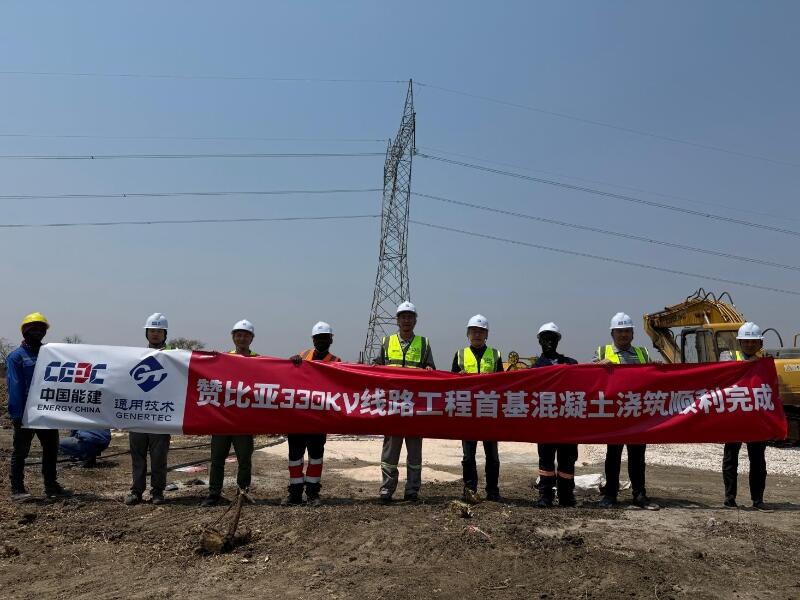
First Foundation Concrete Pour Successfully Completed for Zambia Kafue West–Muzuma 330kV Transmission Line EPC Project
Hot News

评论 (0)