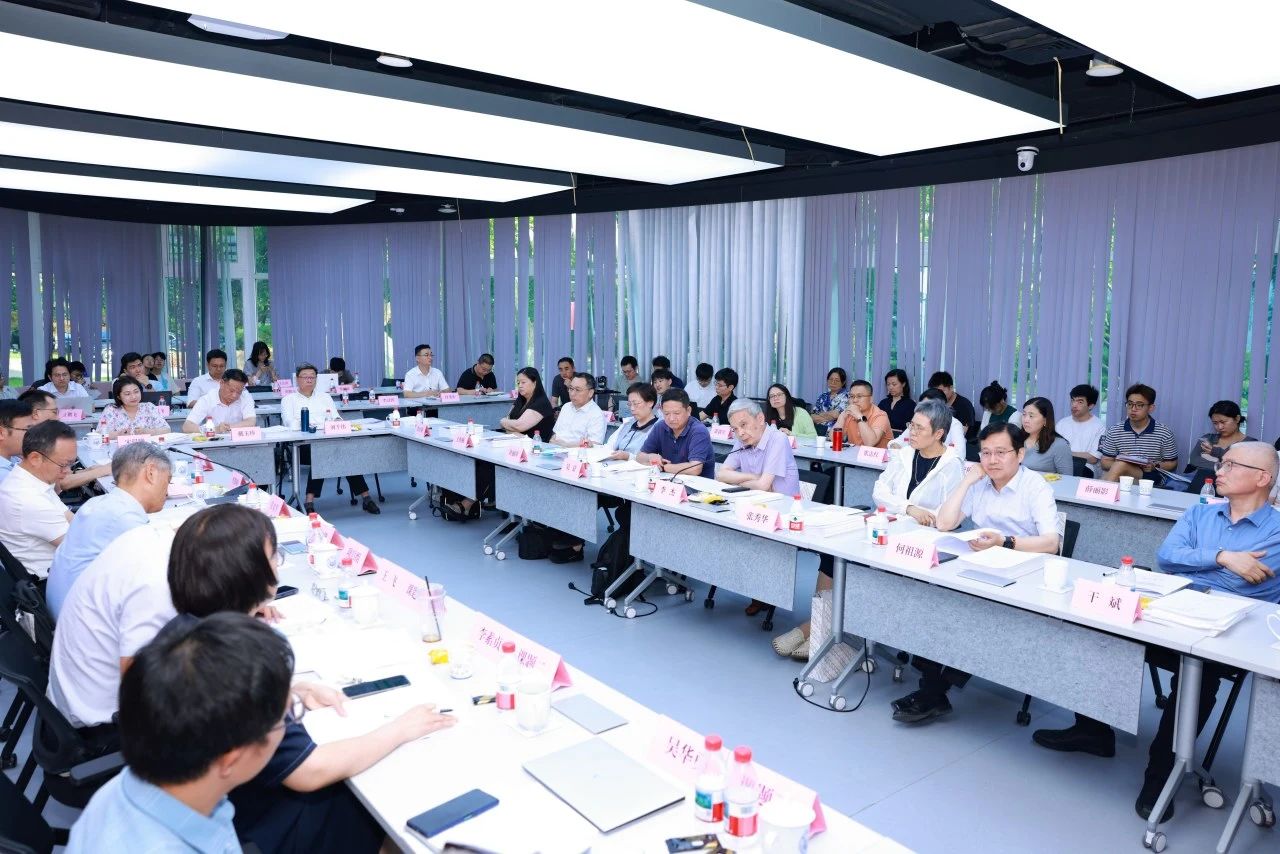
On June 29, 2025, the project kick-off and implementation plan review meeting for the "Research and Demonstration of Urban Lifeline Safety Monitoring and Early Warning Technology," a key special project under the "14th Five-Year Plan" National Key R&D Program's "Key Technologies and Equipment for Sustainable Urban Development" initiative, was successfully held at Tongji University. The project is led by the Shanghai Institute of Disaster Prevention and Relief of Tongji University, with Professor Huang Hongwei of the College of Civil Engineering serving as project leader.
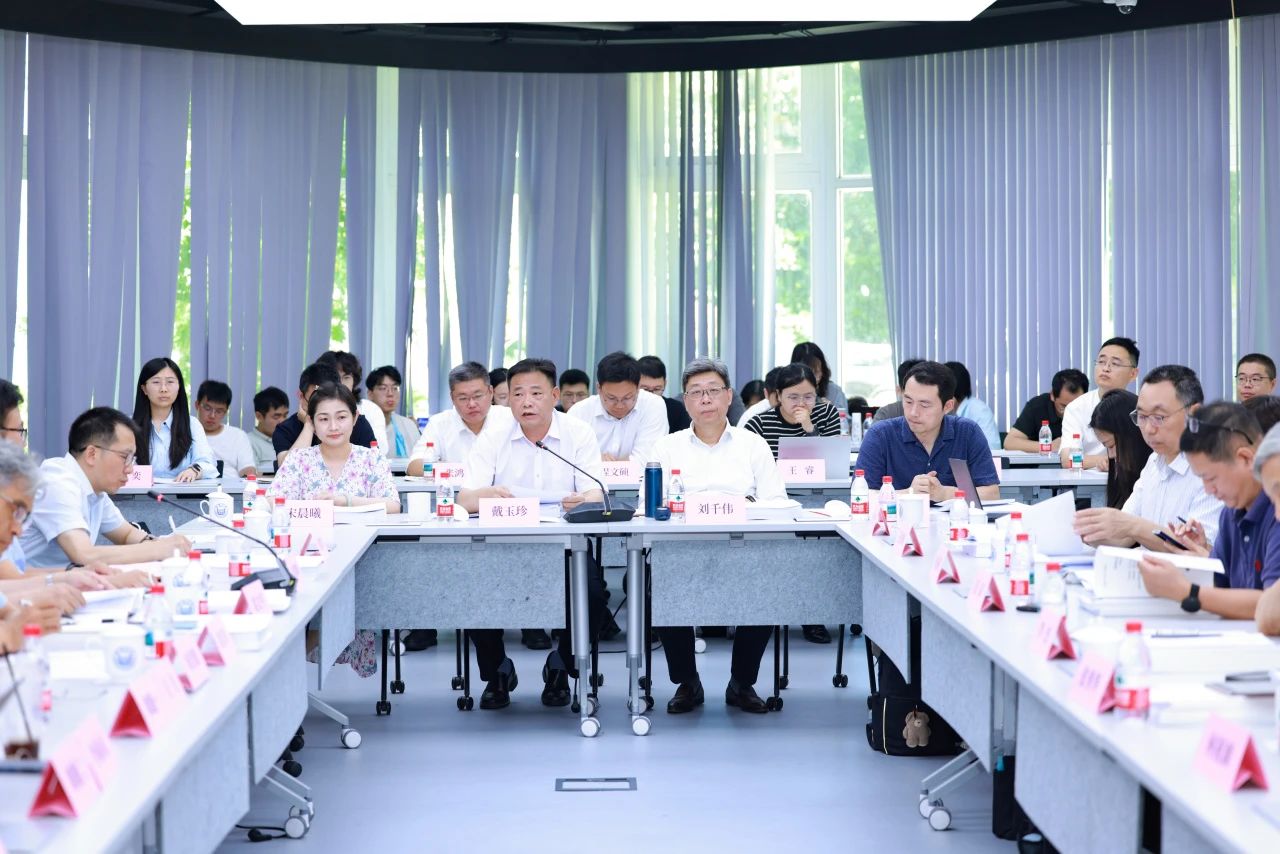
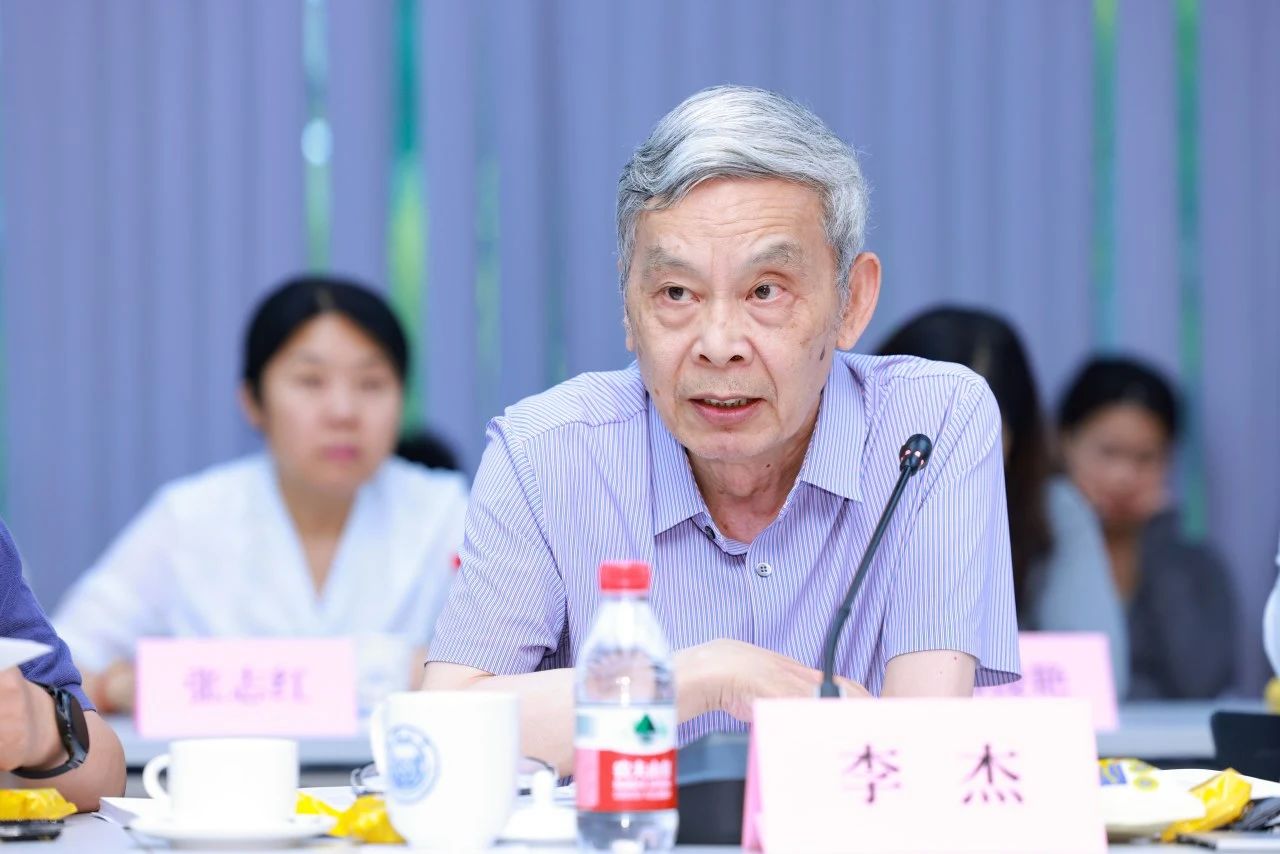
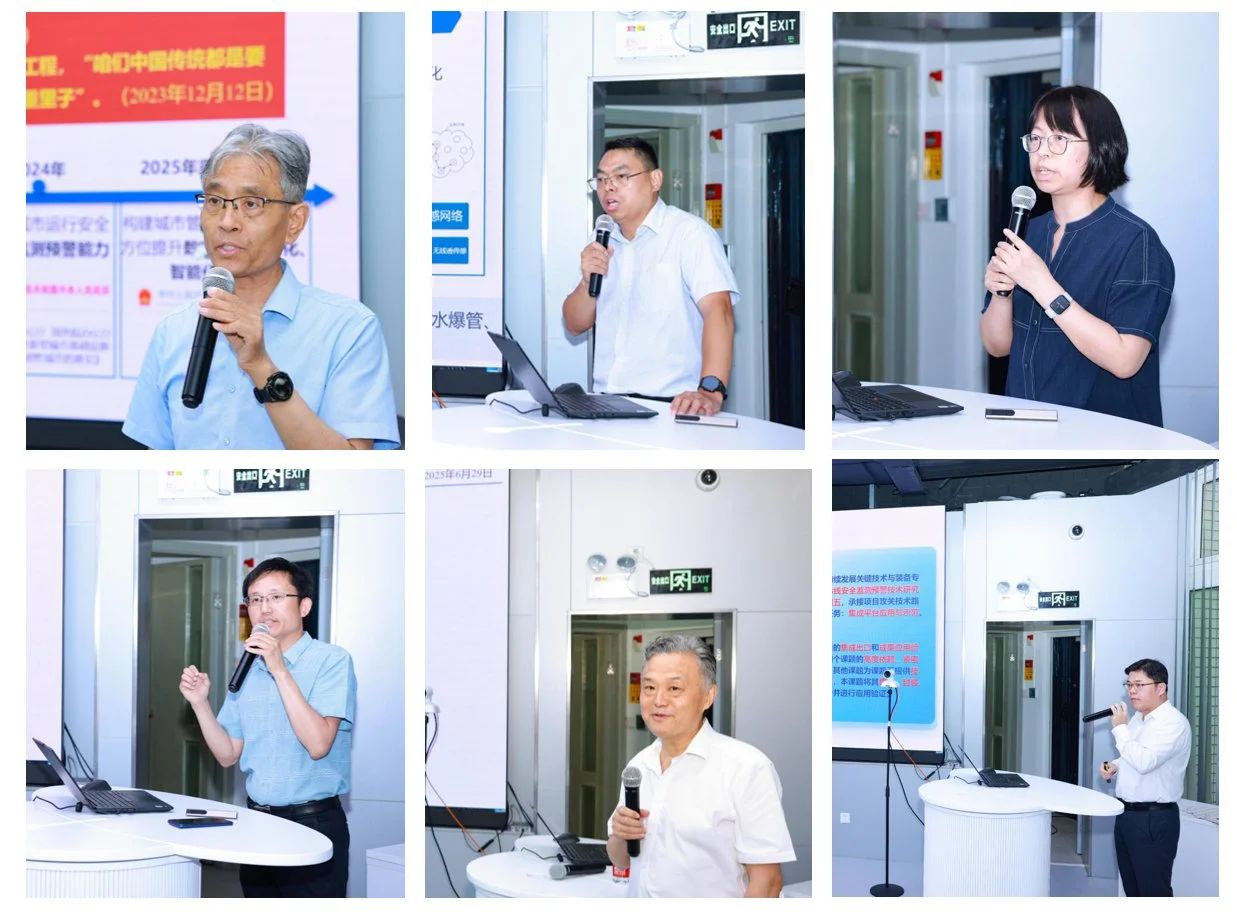
Dai Yuzhen, Deputy Director-General, and Song Chenxi, Deputy Division Chief, of the Urban Management Supervision Bureau of the Ministry of Housing and Urban-Rural Development;China Agenda 21 Management CenterYao Na, Project Officer; Liu Qianwei, Chief Engineer of the Shanghai Municipal Housing and Urban-Rural Development Management Commission, and Yuan Wenping, Director of the Science and Technology Information Division; Luo Wei, Vice President of the Science and Technology Research Institute of Tongji University, and others attended to provide guidance. Professor Li Jie of Tongji University; Professor Yue Qingrui of the University of Science and Technology Beijing; Zhang Xiuhua, Deputy General Manager of North China Municipal Engineering Design & Research Institute Co., Ltd.; Chen Jianguo, Researcher of Tsinghua University; Professor Wu Jing of Southeast University; Professor He Zuyuan of Shanghai Jiao Tong University; Xu Liping, Chief Engineer of Shanghai Survey, Design and Research Institute (Group) Co., Ltd.; Wang Hengdong, Chief Engineer of Shanghai Municipal Engineering Design Institute (Group) Co., Ltd.; Liu Jun, Chief Engineer of Shanghai Energy Construction Group Co., Ltd.; Gan Bin, General Manager of the Safety Department of Shanghai Shenergy (Group) Co., Ltd.; and Zhang Xiaoyan, Senior Accountant (Financial Expert) of Beijing Zhongyu Tiansheng Accounting Firm, attended the meeting as review experts. More than 80 people, including project team members, heads of sub-topics, and key researchers, participated in the meeting both online and offline. The project implementation plan review meeting was chaired by Professor Li Jie, and a project review expert panel was established. At the meeting, Professor Huang Hongwei, the project leader, reported on the overall situation and implementation plan of the project. The sub-topic leaders—Wang Fei, Researcher of the Shanghai Institute of Disaster Prevention and Relief; Li Suzhen, Researcher of Tongji University; Wu Huayong, Professor-level Senior Engineer of Shanghai Research Institute of Building Sciences Co., Ltd.; Professor Zheng Hong of Beijing University of Technology; and Yin Jiyao, Professor-level Senior Engineer of Shenzhen Urban Public Safety and Technology Institute Co., Ltd.—reported respectively on the implementation plans for Sub-topic 1 "Multi-scenario Monitoring and Construction Damage Early Warning Technology for Urban Lifeline Safety," Sub-topic 2 "Multi-mode Monitoring and Fiber-optic Sensing Early Warning System and Application for Urban Lifeline Safety," Sub-topic 3 "Induction Early Warning Equipment and Complete System for Construction Damage of Urban Underground Pipeline Networks and Application," Sub-topic 4 "Multi-dimensional Risk Assessment and Monitoring Optimization Methods for Urban Lifeline Safety," and Sub-topic 5 "Comprehensive Monitoring, Early Warning and Proactive Prevention and Control Platform and Demonstration for Urban Lifeline Safety." They provided detailed introductions to the project implementation plan from aspects including the research background and key scientific and technological issues of the project and sub-topics, research content and task division, implementation technical roadmap and schedule, innovative features and expected outcomes, and organizational management mechanisms. The expert panel fully affirmed the innovative value of the project's research content and the overall implementation plan, and offered constructive suggestions regarding technical detail optimization, interdisciplinary collaboration, engineering demonstration and application, and mechanisms for translating outcomes into application. The expert panel unanimously agreed that: the project is grounded in the major needs of urban safety, takes the project guidelines as its basic framework, and aims to develop key technologies, methods, equipment, and platforms for lifeline safety monitoring and early warning centered on "real-time monitoring, early warning and prediction, risk assessment, and proactive prevention and control," carrying out a series of technology applications and integrated demonstrations. The overall and phased objectives of the project are clear, and the research content is systematic, comprehensive, and well-focused; the technical roadmap and implementation plan are clear and reasonable, with strong coherence and systematicness; the research schedule is appropriate, and the application verification and engineering demonstration are practical and feasible; the assessment indicators are specific and clear, and the evaluation plan is detailed; the project team structure is reasonable, and the organizational management mechanism is feasible, capable of ensuring the smooth implementation of the project. The panel unanimously approved the project implementation plan. The successful convening of this meeting not only laid a solid foundation for the smooth implementation of the project but also built industry consensus and formed a sound pattern of collaborative innovation among government, industry, academia, research, and application, which is of great significance for advancing China's urban lifeline safety technology and industrial development.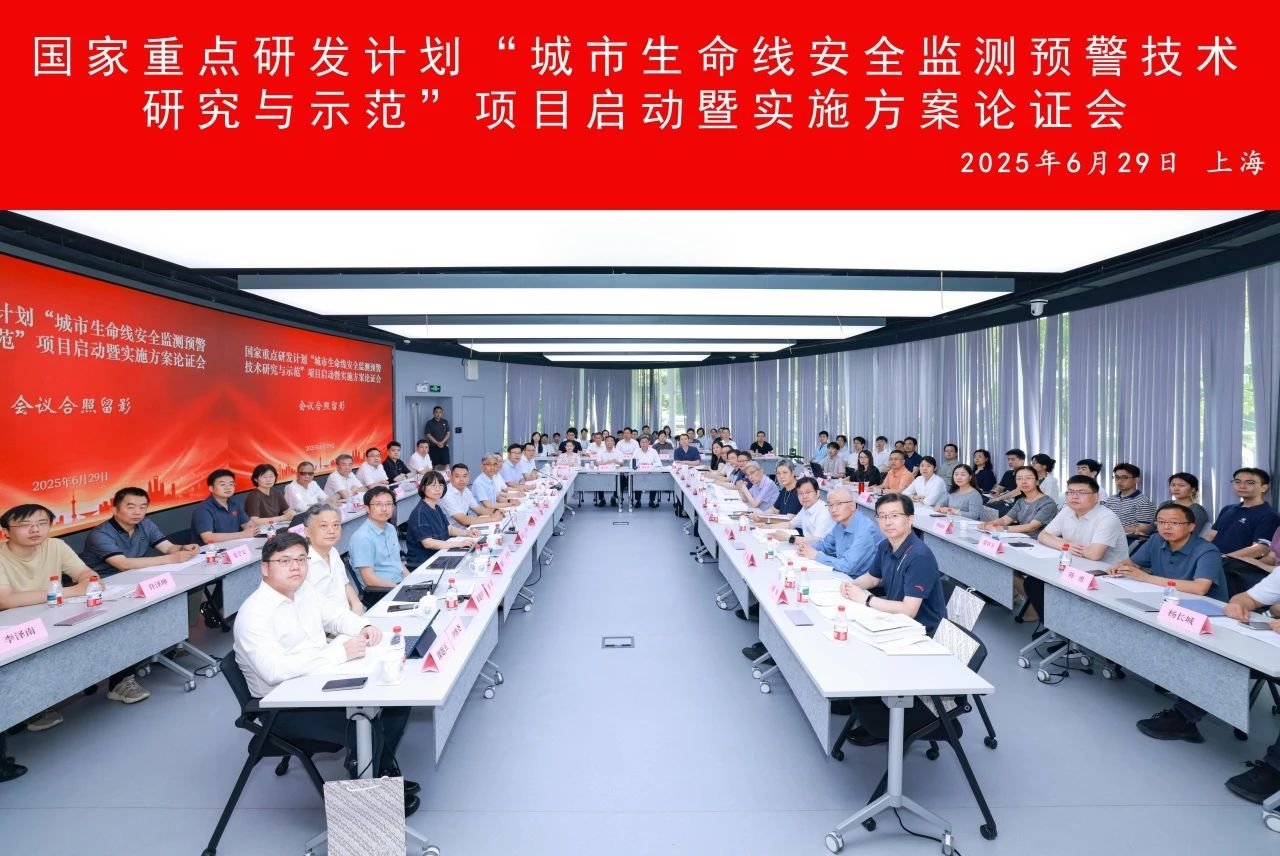
Project Introduction: The project "Research and Demonstration of Urban Lifeline Safety Monitoring and Early Warning Technology" (2024YFC3808800) is led by the Shanghai Institute of Disaster Prevention and Relief of Tongji University, in collaboration with Tongji University, Shanghai Research Institute of Building Sciences Co., Ltd., Beijing University of Technology, Shenzhen Urban Public Safety and Technology Institute Co., Ltd., China Construction Infrastructure Co., Ltd., China Construction Eighth Engineering Division Co., Ltd., Jianyan Foundation Engineering Co., Ltd., and Ningbo Lianhe Photonics Technology Co., Ltd. for technical research. Targeting the needs of urban safety assurance and intelligent operation and maintenance, it focuses on typical lifeline systems such as urban gas, water supply, and drainage pipeline networks and municipal roads, and aims to develop key technologies, methods, equipment, and platforms for lifeline safety monitoring and early warning centered on "real-time monitoring, early warning and prediction, risk assessment, and proactive prevention and control," carrying out a series of technology applications and integrated demonstrations to serve the construction of China's urban lifeline safety engineering.
Intelligent Monitoring | Guangxi Communications Technology Group: Slope Warning System Successfully Alerts Landslide Hazard
下一篇GZPI News | A National First! Our Institute Helps Bring the "Caisson-Style Parking Garage" to Fruition, Innovatively Solving the "Parking Difficulty" Dilemma in Old Urban Areas

2026-09-28 1157 0

2026-09-24 10586 0

2026-09-23 10714 0

2026-09-22 10808 0

Lize City Air Terminal Underground Main Structure Nearing Completion: Maximum Transfer Walk Under 4 Minutes After Operation

Anti-seepage Curtain for Main Lock Pit of CSCEC Port Shenqiu Double-Line Lock Project Completed on Schedule

All Pile Foundations Completed on Quanzhou Baiqi Channel

Hainan Upgrades Housing and Municipal Infrastructure

First Foundation Concrete Pour Successfully Completed for Zambia Kafue West–Muzuma 330kV Transmission Line EPC Project
Hot News

评论 (0)