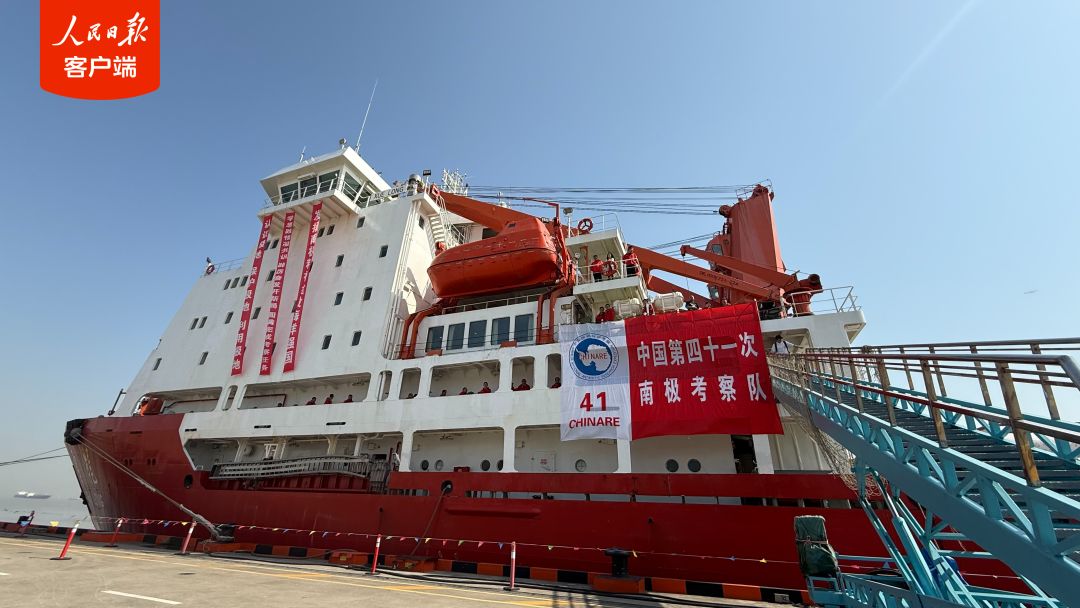
On April 8, 2025, the polar research icebreaker "Xuelong" returned to Shanghai, and China's 41st Antarctic expedition team successfully completed its main tasks.
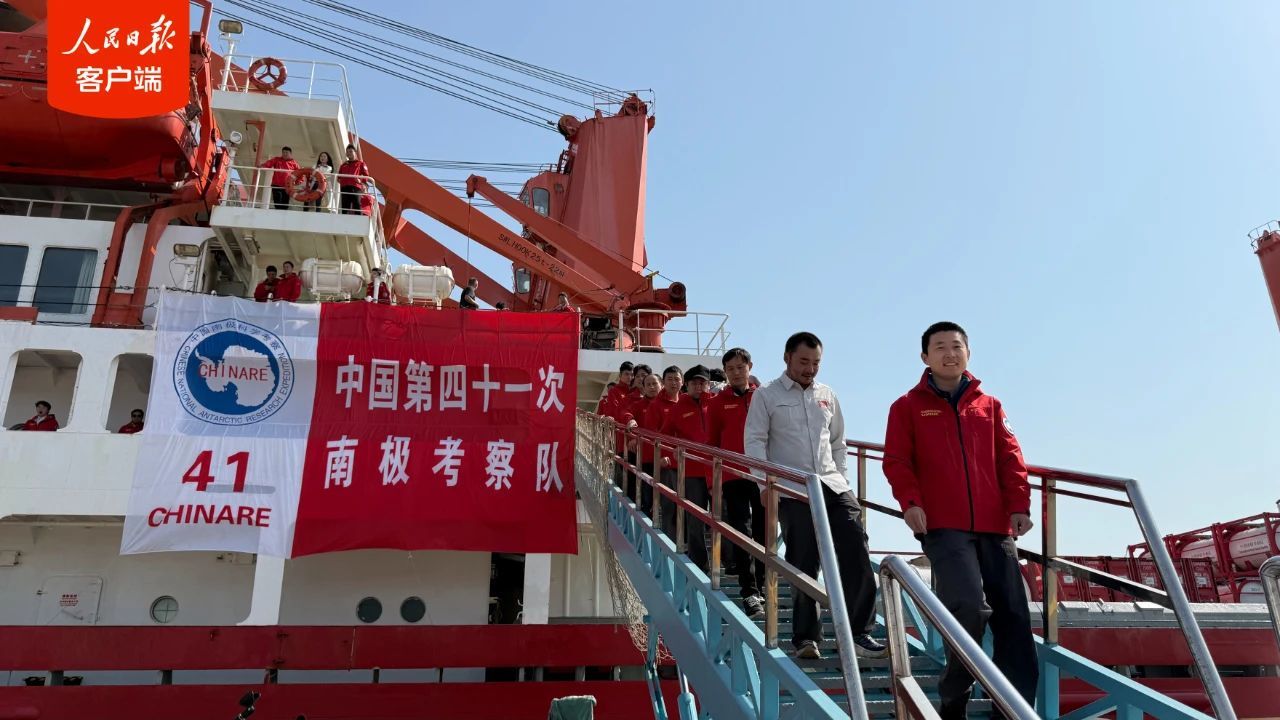
The expedition team consisted of 516 people from 118 institutions at home and abroad. This was China's second Antarctic expedition conducted in separate voyage segments by three ships. In addition to the "Xuelong," the "Yongsheng" had already completed its expedition tasks and returned to port on January 23, while the "Xuelong 2" is still carrying out the joint Ross Sea voyage and is expected to complete its expedition tasks and return to Shanghai in June.
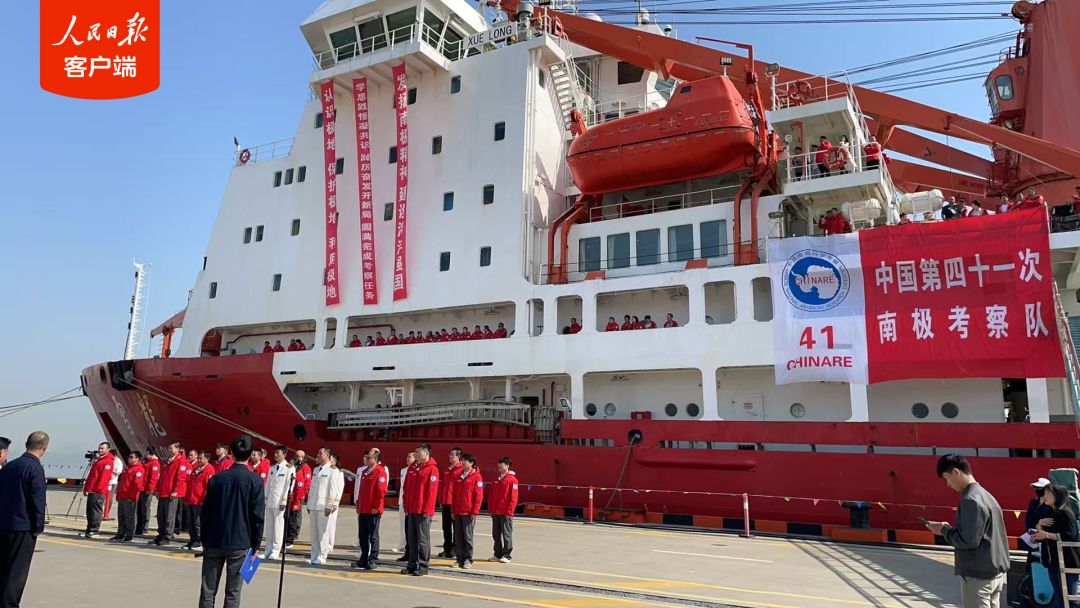
This expedition achieved new breakthroughs in technological and methodological innovation, the large-scale application of independently developed polar equipment, and international exchanges and cooperation, setting new historical records in terms of operating time and regional span.
The expedition team overcame multiple difficulties such as melting landfast ice and dense pack ice, and completed the unloading of supplies and personnel at Zhongshan Station, Great Wall Station, and Qinling Station. They completed comprehensive survey and monitoring and the national "five major categories" of science and technology projects in the Antarctic Peninsula, Cosmonaut Sea, Prydz Bay, Amundsen Sea, Ross Sea, and other sea areas, and completed tasks including engineering and support capacity construction, land and coastal ecological environment surveys, inland and aerial surveys, and international cooperation in areas such as Zhongshan Station, Great Wall Station, Qinling Station, Kunlun Station, Taishan Station, and Grove Mountains.

The expedition team carried out an overwintering expedition at Qinling Station for the first time, marking China's entry into the era of "three-station overwintering" in Antarctic expeditions. For the first time, a clean energy system integrating wind, solar, hydrogen, and storage was applied in Antarctica. At the same time, aerial surveys filled gaps in China's basic data for some Antarctic ice sheet regions, and for the first time long gravity cores and other seabed sediment samples were successfully collected in the Antarctic Amundsen Sea, providing strong support for China and the international community to conduct in-depth research on rapid Antarctic changes, effectively respond to global climate change, and actively participate in Antarctic governance.
Greatest Glory, Setting Sail! China's Largest Independently Developed Shield Tunneling Machine "Jianghai" Launches Today...
下一篇Bauma 2025 | At NFLG, Witness the Hardcore Strength of China's Construction Machinery

2026-10-18 0 0

2026-10-18 0 0

2026-10-17 0 0

2026-09-23 10598 0
Lize City Air Terminal Underground Main Structure Nearing Completion: Maximum Transfer Walk Under 4 Minutes After Operation
Anti-seepage Curtain for Main Lock Pit of CSCEC Port Shenqiu Double-Line Lock Project Completed on Schedule
All Pile Foundations Completed on Quanzhou Baiqi Channel

Hainan Upgrades Housing and Municipal Infrastructure
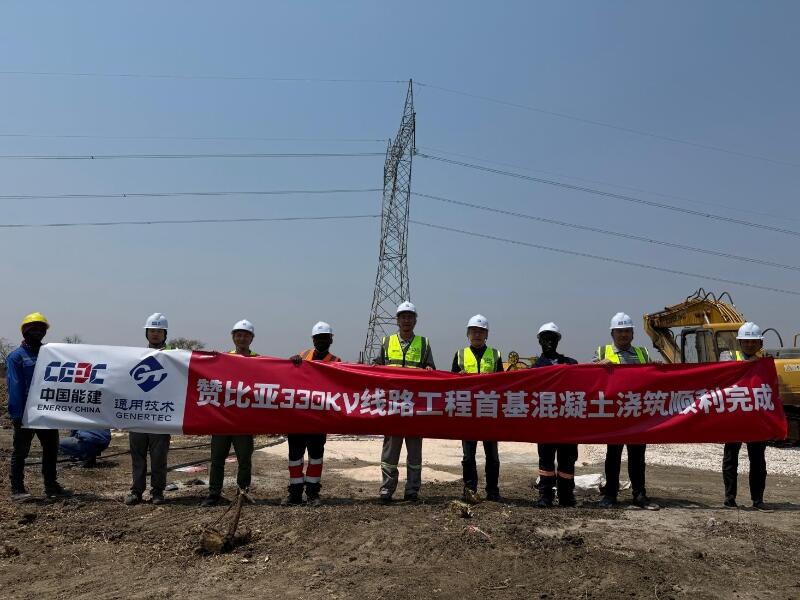
First Foundation Concrete Pour Successfully Completed for Zambia Kafue West–Muzuma 330kV Transmission Line EPC Project
Hot News

评论 (0)