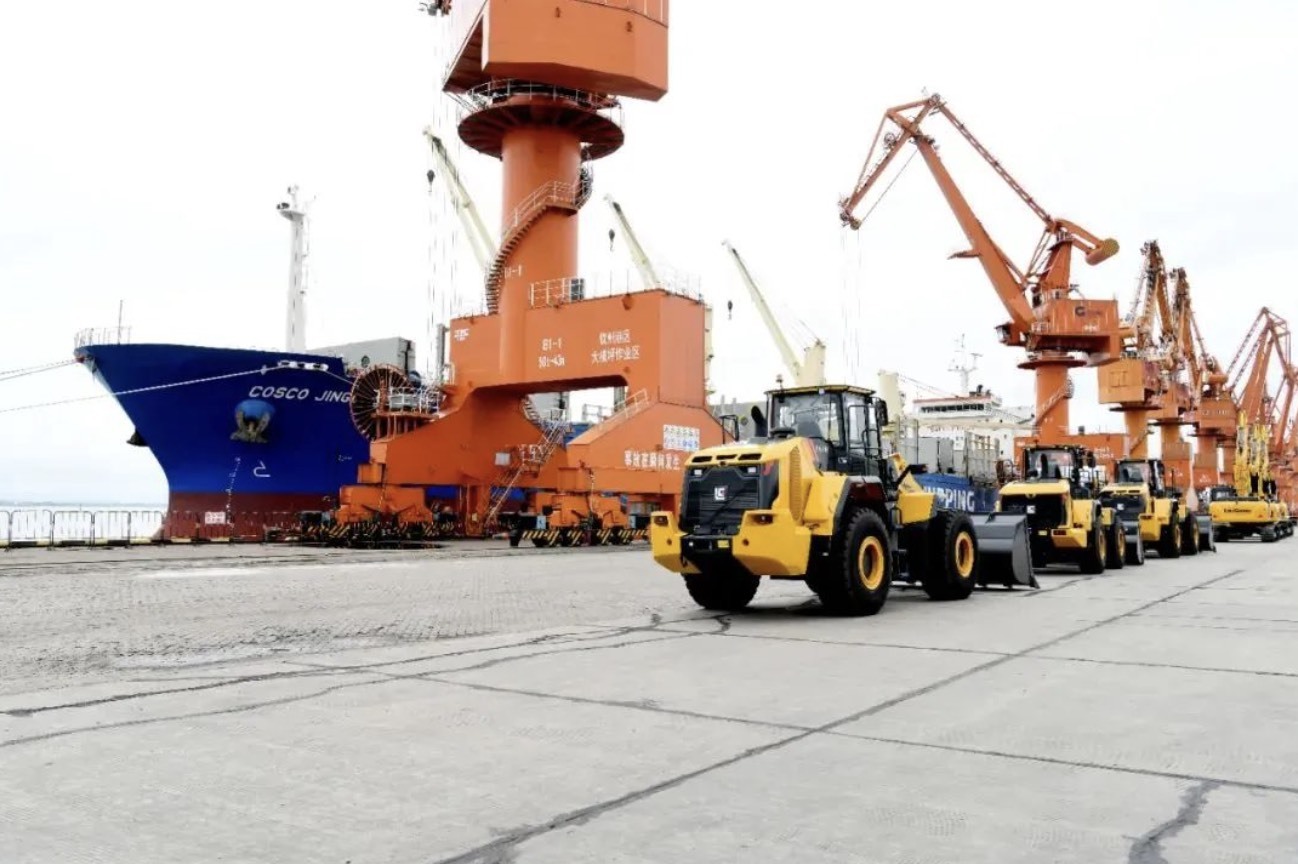
The United States imposed a 10% baseline tariff on all imported goods and tariffs exceeding 100% on goods from China. This action is like dropping a huge rock into a calm sea, stirring up terrifying waves. After the tariff increase, this will undoubtedly directly affect the import and export business and market layout of China's construction machinery enterprises.
According to statistics, in 2024 the United States was China's second-largest export destination for construction machinery, with exports reaching US$4.055 billion. With the U.S. tariff increase, it is expected that in 2025 China's construction machinery exports to the United States may decline significantly. In addition, because the United States this time raised tariffs on more than 180 countries and regions worldwide, this will affect all construction machinery enterprises globally. Some leading enterprises that suffer setbacks in the U.S. market will most likely shift their focus to other overseas markets, thereby intensifying competition with Chinese construction machinery enterprises in other overseas markets.
So does this U.S. tariff increase bring only pressure to China and no opportunities at all? Not exactly. Next, let us see whether this tariff event is truly "overwhelming pressure" or "opportunity in crisis"?
Pressure
1 Declining share of the U.S. export market
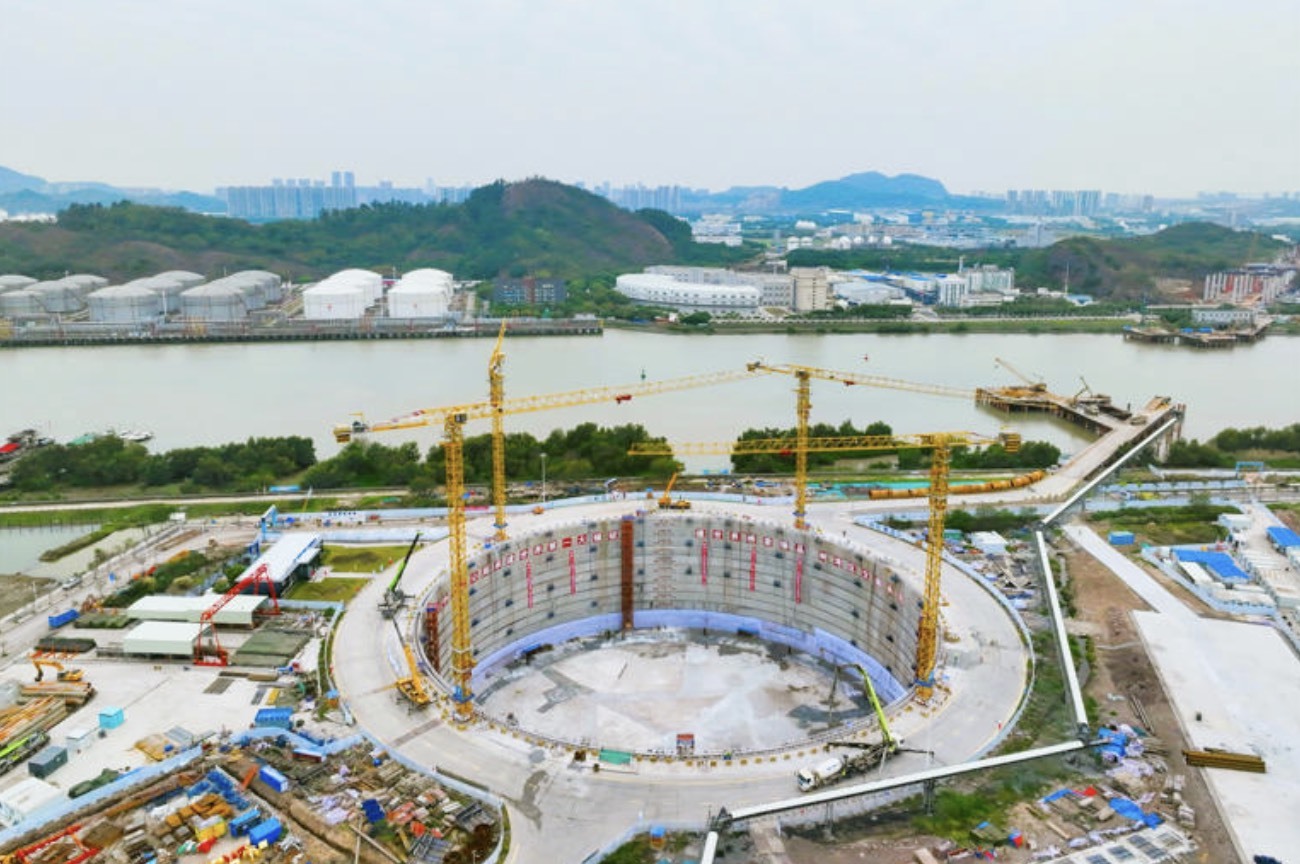
For Chinese construction machinery enterprises, the U.S. market has always been one of the important overseas markets. However, the tariff increase has sharply driven up export costs. Chinese construction machinery products that originally had a price advantage now need to pay higher tariffs when entering the U.S. market, which directly leads to higher product prices. Take an excavator originally priced at US$100,000 as an example. Assuming the original tariff rate was 25%, the tariff payable would be US$25,000; now that the tariff has increased to 79%, the tariff payable would be US$79,000, a substantial increase in cost.
The price increase has greatly reduced the competitiveness of Chinese construction machinery products in the U.S. market. When choosing products, U.S. buyers often comprehensively consider factors such as price, quality, and performance. When quality and performance are comparable, price becomes the key decision-making factor. The rise in the prices of Chinese products makes U.S. buyers more inclined to choose construction machinery produced domestically in the United States. This puts pressure on Chinese construction machinery exports to the United States to decline, and market share is consequently squeezed.
From industry data, the proportion of business in the United States for domestic construction machinery OEMs is generally low, so the tariff war should not cause serious damage. Sany Heavy Industry's North American market exposure is about 3% (corresponding to revenue of RMB 2-3 billion), Hengli Hydraulic's North American exposure is about 5% (about RMB 500 million), Zoomlion's U.S. exposure is about 1%, and the North American exposure of XCMG, LiuGong, and Shantui is each less than 2%, with relatively small actual impact on performance.
It is also worth mentioning that both Sany Heavy Industry and Hengli Hydraulic have production bases in North America, and the output value of their factories is sufficient to cover U.S. market demand. This means that most of the products Sany Heavy Industry and Hengli Hydraulic sell in the U.S. market can be shipped directly from North American factories, avoiding the impact of high tariffs.
However, Zhejiang Dingli will most likely face a considerable impact after the tariff increase. As a global aerial work platform giant, Zhejiang Dingli has always maintained a single production base in the Chinese market. At the same time, its overseas revenue accounts for more than 60%, and among its overseas revenue, the business revenue in the United States accounts for more than 40%. This makes the U.S. market very important to Zhejiang Dingli. Therefore, after the tariff increase, it will bring considerable resistance to Zhejiang Dingli's subsequent development in the U.S. market.
2 Intensified global competitive pressure
Previously, leading construction machinery enterprises from Japan, South Korea, Germany, Sweden, and other countries had considerable sales in the U.S. market. After the tariff increase, their market share in the United States will inevitably be affected. If they still want to maintain their previous profit levels, they will inevitably need to adjust their layout and shift their overseas focus to European, African, and Asian markets. Admittedly, in recent years foreign-funded construction machinery brands in China have been retreating steadily, but the fact that these overseas brands cannot beat Chinese domestic brands in China does not mean they cannot beat Chinese brands in other overseas markets.
For example, Japanese enterprises that have suffered setbacks in the Chinese market in recent years are thriving in other Asian markets. In 2024, Komatsu's market share in Indonesia continued to increase, Hitachi's cumulative shipments in the Southeast Asian market reached 50,000 units, and Kobelco Construction Machinery expanded production capacity at its Indian base. After the tariff war, competition in overseas markets will become more intense, which is a considerable challenge for Chinese construction machinery enterprises.
Opportunities
1 Benefiting some of China's overseas markets
After the U.S. tariff increase, many countries, including China, also raised tariffs on the United States. Under such circumstances, if equipment from U.S. construction machinery enterprises such as Caterpillar is exported overseas, its price will rise significantly. When choosing products, equipment buyers often comprehensively consider factors such as price, quality, and performance. When quality and performance are comparable, price becomes the key decision-making factor. The rise in the prices of U.S. products will make equipment buyers more inclined to choose products from other countries, which is undoubtedly beneficial to Chinese construction machinery enterprises.
At present, China's leading construction machinery enterprises have already developed considerable global competitiveness, and international recognition of Chinese construction machinery brands is also continuously improving. The most powerful evidence is the continuous growth of China's construction machinery export value. In 2024, China's construction machinery export value exceeded US$50 billion for the first time. After the tariff increase, Chinese construction machinery brands will be strong competitors for the market share vacated by the price increases of American brands. Therefore, we say the tariff increase benefits some of China's overseas markets.
This applies not only to overseas markets but also to the domestic market. Shortly after the United States announced the tariff increase, China also announced an additional 34% tariff on all imported goods from the United States. This means that U.S. products in China will rise significantly, which will undoubtedly further reduce the market share of American brands in China. With the advantage of playing at home, domestic brands can almost be said to devour this vacated market share entirely.
2 Accelerating internationalization beyond North America
When the U.S. market becomes less friendly due to tariff issues, Chinese construction machinery enterprises will turn their attention to other overseas markets and earn revenue that would have been obtained in the U.S. market by opening up new markets. This has already been reflected in China's 2024 export value.
In 2024, China's construction machinery export value was US$52.859 billion. By region: for the full year of 2024, exports to Asia were US$21.577 billion, up 9.81% year on year; exports to Africa were US$5.903 billion, up 31.9% year on year; exports to Europe were US$13.132 billion, up 3.5% year on year; exports to South America were US$5.654 billion, up 24.6% year on year; exports to North America were US$4.787 billion, down 6.53% year on year; and exports to Oceania were US$1.805 billion, down 13.1% year on year.
From the data, we can see that apart from North America and Oceania, other overseas markets all achieved considerable growth. This shows that China's construction machinery industry had already weakened the impact of the North American region on China's construction machinery exports well before this tariff increase. In contrast, it has accelerated the process of internationalization beyond North America, and after the tariff increase, internationalization beyond North America will further accelerate.
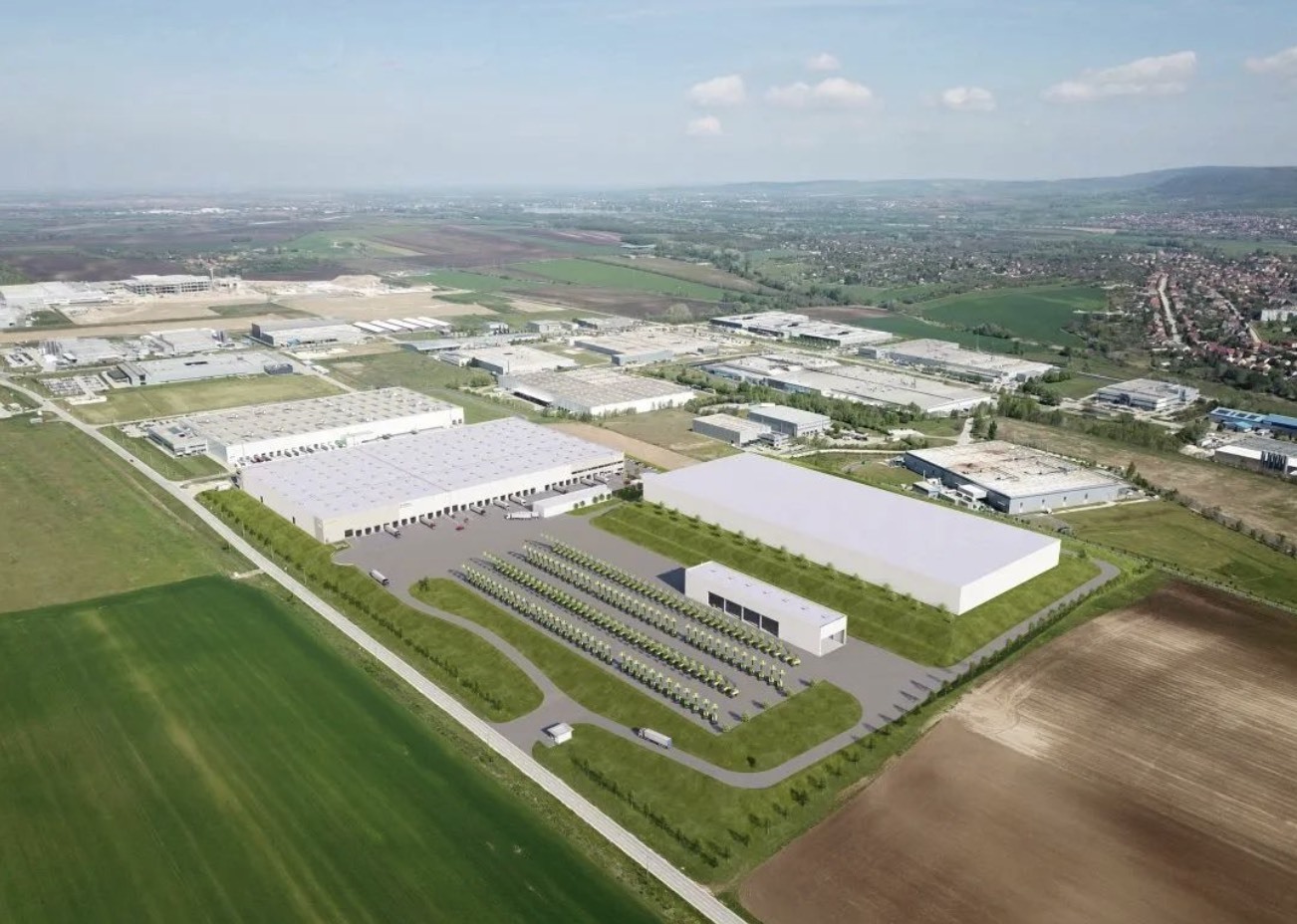
Since entering 2025, Zoomlion, a leading Chinese construction machinery enterprise, has continuously accelerated its internationalization process. On February 21, 2025, a press conference for Zoomlion's aerial work equipment production base project in Hungary was held at the Hungarian Ministry of Foreign Affairs. According to the press conference, Zoomlion will invest in and build a modern intelligent factory for aerial work machinery covering about 250 mu in Hungary.
On March 31, 2025, the groundbreaking ceremony for the second phase of Zoomlion's German factory was held in Waldlaubersheim, Germany. The plant will be expanded for industrial development and upgrading to create a research and development, manufacturing, marketing, and service center radiating across Europe. After reaching full production, it can produce more than 1,000 units of construction machinery and equipment annually, with an output value of about US$300 million, and can create 200 new local jobs.
Of course, it is not only Zoomlion that is accelerating. A large number of leading Chinese construction machinery enterprises, including XCMG, Sany, and LiuGong, will all accelerate their internationalization processes.
3 Forcing technological innovation and enhancing competitiveness
To cope with the fierce market competition after the tariff increase, Chinese construction machinery enterprises must continuously carry out technological innovation and enhance the added value and competitiveness of their products if they want to improve their competitiveness.
Next, Chinese construction machinery enterprises should continuously advance digital and intelligent transformation, optimize operating processes, and use technologies such as the industrial internet and big data to improve production efficiency, reduce operating costs, optimize customer service, hone their internal strengths, and enhance core competitiveness. They should also actively position themselves in emerging fields such as new energy construction machinery, intelligent construction, equipment leasing, and remanufacturing. They should increase investment in research and development and commit to technological innovation and product upgrading.
The U.S. tariff increase has undoubtedly brought a considerable impact to China's construction machinery industry. The profits of some enterprises in the industry will decline, and export business will be restrained to a certain extent. However, from the perspective of long-term development, this also prompts enterprises to accelerate the pace of internationalization and transformation and upgrading. There is no doubt that only by continuously enhancing their own core competitiveness can Chinese construction machinery enterprises remain invincible in the fierce market competition.
2025 CICEE Exclusive Interview with Industry Leaders | From Technological Breakthrough to Global Expansion: An Interview with Shen Deyi, General Manager of Youzuan Technology
下一篇Greatest Glory, Setting Sail! China's Largest Independently Developed Shield Tunneling Machine "Jianghai" Launches Today...

2026-10-14 0 0
2026-09-28 36 0
2026-09-22 10749 0

2026-09-18 11026 0

Lize City Air Terminal Underground Main Structure Nearing Completion: Maximum Transfer Walk Under 4 Minutes After Operation

Anti-seepage Curtain for Main Lock Pit of CSCEC Port Shenqiu Double-Line Lock Project Completed on Schedule

All Pile Foundations Completed on Quanzhou Baiqi Channel
Hainan Upgrades Housing and Municipal Infrastructure
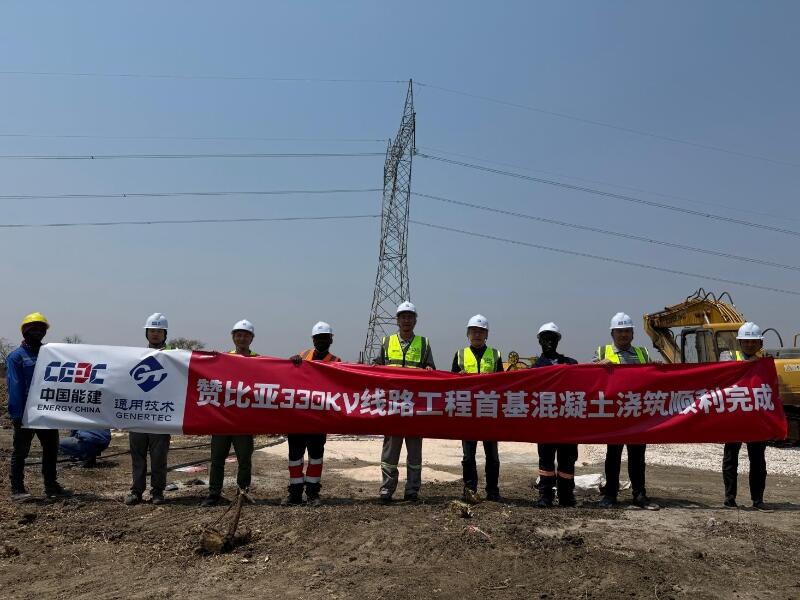
First Foundation Concrete Pour Successfully Completed for Zambia Kafue West–Muzuma 330kV Transmission Line EPC Project
Hot News

评论 (0)