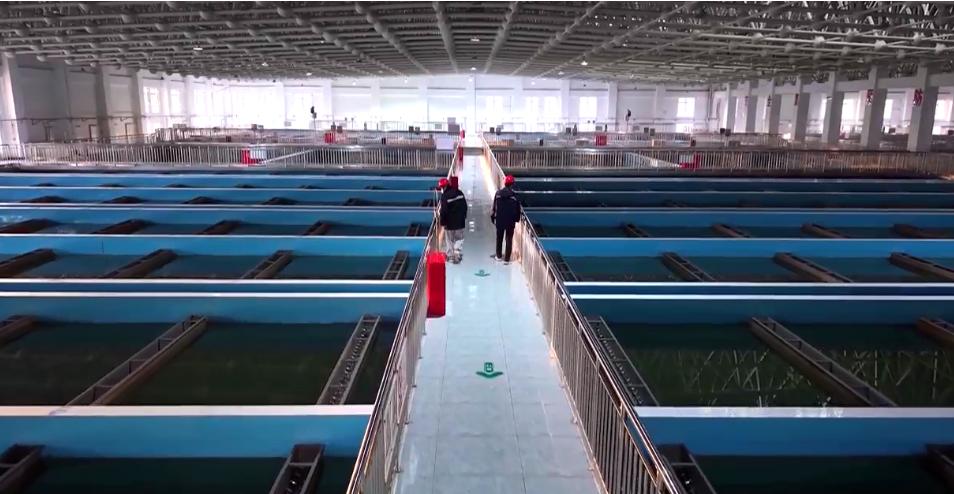
After the earthquake occurred in Yinchuan City, the water resources department of the autonomous region acted quickly, convened a meeting for research at the first opportunity, activated the earthquake disaster emergency response, and focused on the safety of water conservancy projects after the earthquake and the safety of urban and rural water supply, organizing the water conservancy system to comprehensively carry out investigation of earthquake damage to water conservancy projects and prevention and response work. As of January 5, all 328 reservoirs, 3,089 storage ponds, 640 check dams, and 154 rural centralized water supply projects in the region were operating smoothly with normal water supply.
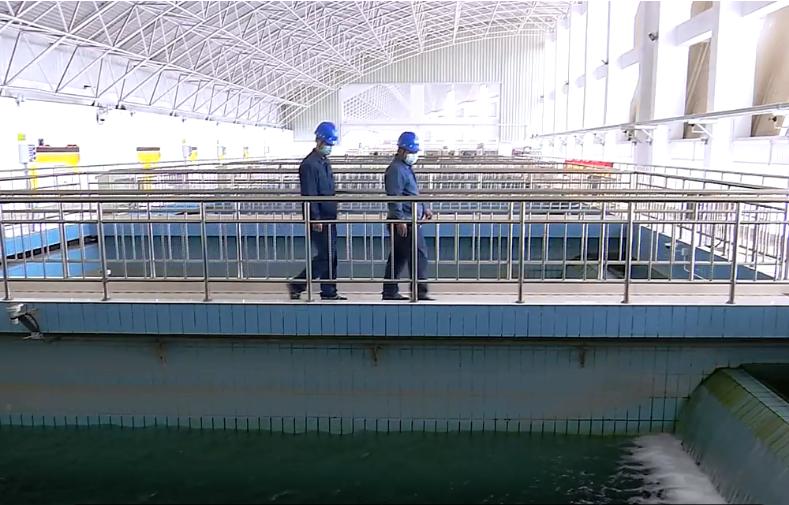
While promptly issuing the "Urgent Notice on Doing Relevant Work Well During the Earthquake Disaster Emergency Response Period," the Department of Water Resources established three working groups, led by department-level leaders, to go deep into the front line and conduct on-site inspections and supervision of reservoir dams, storage ponds, urban and rural water supply, canal pumping stations, and projects under construction, ensuring that all measures are implemented in place and that urban and rural water supply safety is ensured.
In terms of water supply safety assurance, the water affairs bureaus of all cities and counties (districts) were guided to immediately carry out post-earthquake water supply assurance work and organize professionals to conduct comprehensive post-earthquake disaster investigations to ensure that residents' water use is not affected. At the same time, they were required to immediately activate emergency response after the occurrence of emergencies and make preparations for water source dispatch, material allocation, emergency repair, water delivery by truck, and water storage and conservation. Safety hazard investigations were strengthened at key locations and key links such as water sources, water plants, pipe networks, and household connections, and disaster-affected rural water supply projects were incorporated into maintenance projects to ensure the normal operation of rural water supply projects. Information sharing with disease control and other departments was strengthened, water quality testing centers for rural water supply and testing forces of large-scale water supply projects were mobilized, the frequency of water quality testing was increased, and timely disposal was carried out for water quality that did not meet standards to ensure water quality safety. As of January 4, three rounds of post-earthquake investigations had been organized for the region's 154 rural centralized water supply projects; the region's rural centralized water supply projects were operating normally, and there were no water supply stoppages or water quality problems caused by the earthquake. Next, the Department of Water Resources of the Autonomous Region will continue to organize personnel to investigate and inspect the operation of rural water supply projects throughout the region, do a good job in water quality testing and emergency water supply, adhere to 24-hour duty and standby work, ensure the safe operation of rural water supply projects, and effectively guarantee the water used by the people for daily life and production.
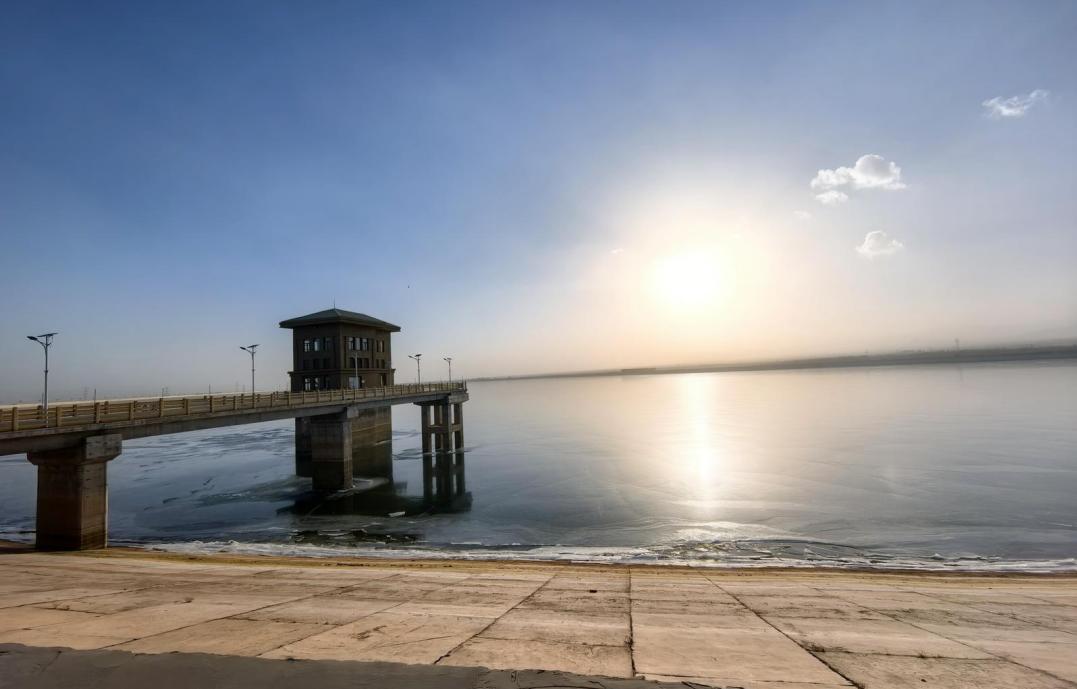
At present, among the region's 328 reservoirs, a total of 181 are operating with stored water. In the Yinchuan area, there are 2 reservoirs with stored water, namely Xixia Reservoir and Yazidang Reservoir. The operation and management units immediately took measures after the earthquake. On the premise of reliably guaranteeing water supply demand, they maintained the reservoirs at medium-low water levels, reserved sufficient safety margins, and effectively achieved both "guaranteeing water supply" and "guaranteeing safety." The more than 2,000 storage ponds in the region that undertake water supply assurance tasks are all operating at medium-low water levels. In recent random spot checks of 37 storage ponds in Yinchuan areas including Xixia District, Jinfeng District, Xingqing District, Helan County, Lingwu City, and Yongning County, all were arranged with 24-hour patrol protection and had emergency plans; the main structures of the projects were intact, with no cracks found and no leakage.
In terms of ice flood prevention safety, on January 5, ice floes were present in the Yellow River Ningxia section from Mafanggou (provincial boundary cross-section) to the river section 2 km downstream of the Shizuishan Yellow River Bridge, with a length of 17 kilometers, a decrease of 7 kilometers from yesterday. A total of 253 responsible persons for water conservancy projects and ice flood patrols were put in place throughout the region. After the earthquake, re-investigations were organized for 30 key dike-crossing structures in the Pingluo and Huinong river sections, timely elimination of ice flood hidden dangers, and improvement of emergency rescue material reserves, ensuring the "three in place" of emergency rescue materials, personnel, and technical support, and guaranteeing ice flood prevention safety.
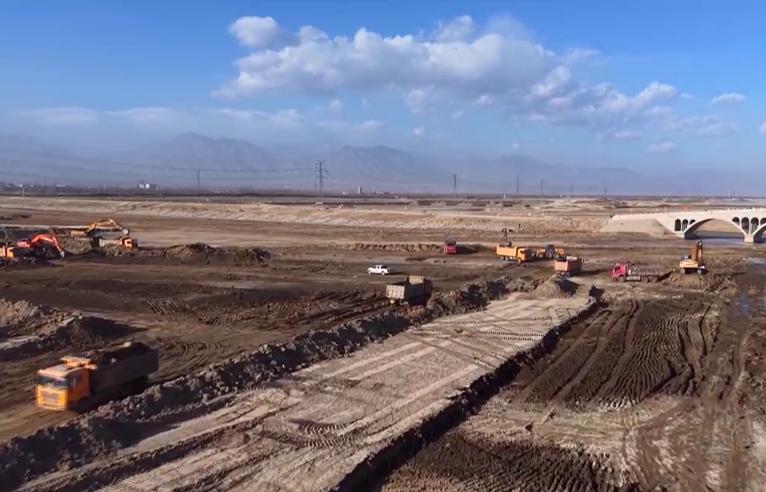
It was introduced that the Department of Water Resources will continue to increase work efforts, guide water resources departments at all levels and project operation and management units throughout the region to further improve contingency plans, strengthen duty and standby and patrol inspections, make every effort to ensure the safety of water conservancy project construction and operation in the region, the safety of urban and rural water supply, and the safety of Yellow River ice flood prevention, and provide solid guarantees for the water used by the people for daily life and production.
First 'Hundred-Thousand-Ten Thousand Project' Solar-Storage-Charging Assistance Project in Qingyuan, Guangdong Goes into Operation
下一篇Celebrating 50 Years of Excellence - Liebherr Mobile Harbour Cranes

2026-10-18 0 0

2026-10-18 0 0

2026-10-17 0 0

2026-09-23 10598 0
Lize City Air Terminal Underground Main Structure Nearing Completion: Maximum Transfer Walk Under 4 Minutes After Operation
Anti-seepage Curtain for Main Lock Pit of CSCEC Port Shenqiu Double-Line Lock Project Completed on Schedule
All Pile Foundations Completed on Quanzhou Baiqi Channel

Hainan Upgrades Housing and Municipal Infrastructure
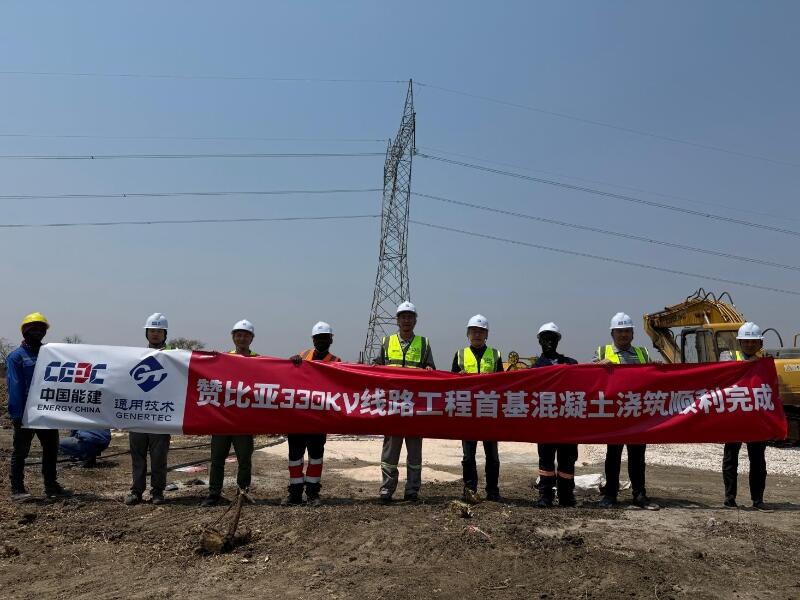
First Foundation Concrete Pour Successfully Completed for Zambia Kafue West–Muzuma 330kV Transmission Line EPC Project
Hot News

评论 (0)