Editor's Note:During the construction of the cooling water circulation tunnels at the Hinkley Point C nuclear power station in the UK, the project team innovatively used virtual verification technology to carry out a series of verification tests, including segment assembly tests. At the time, this sparked considerable discussion and controversy.
Today, the cooling water circulation tunnels, underwater shafts, and intake/outfall structures at the nuclear power station have all been completed, and the final connections between the tunnels and the intake/outfall structures are about to be made. As this tunnel built using virtual verification technology is about to be put into service, let us review and learn about the construction journey of the Hinkley Point C nuclear cooling water circulation tunnels.
Project Overview
The Hinkley Point C nuclear power station project in the UK is located in Somerset in southwest England. It is the largest nuclear power station in the UK and the first newly built nuclear power station in the country in more than 20 years. Once operational, it will provide low-carbon electricity to 6 million UK households.
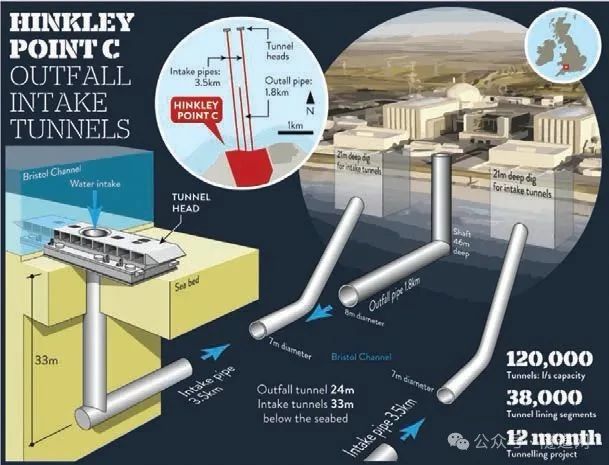
Basic Structure of the Cooling Water Circulation System
The cooling water circulation system of the nuclear power station includes three tunnels beneath the Bristol Channel: two intake tunnels 3.5 km long with an internal diameter of 6 m, and one outfall tunnel 1.8 km long with an internal diameter of 7 m. All three tunnels are located approximately 33 m below the seabed. In addition to the tunnels, the project team also needed to build intake and outfall structures connected to the tunnels.

Intake structure being prepared for installation
Each tunnel has two intake/outfall openings. The components of the intake/outfall structures were prefabricated in a factory and then transported by tugboat to the Bristol Channel, where they were installed on the seabed using two floating cranes working in tandem. The Bristol Channel has the second-largest tidal range in the world, and this huge tidal range brought considerable difficulty to the installation work.
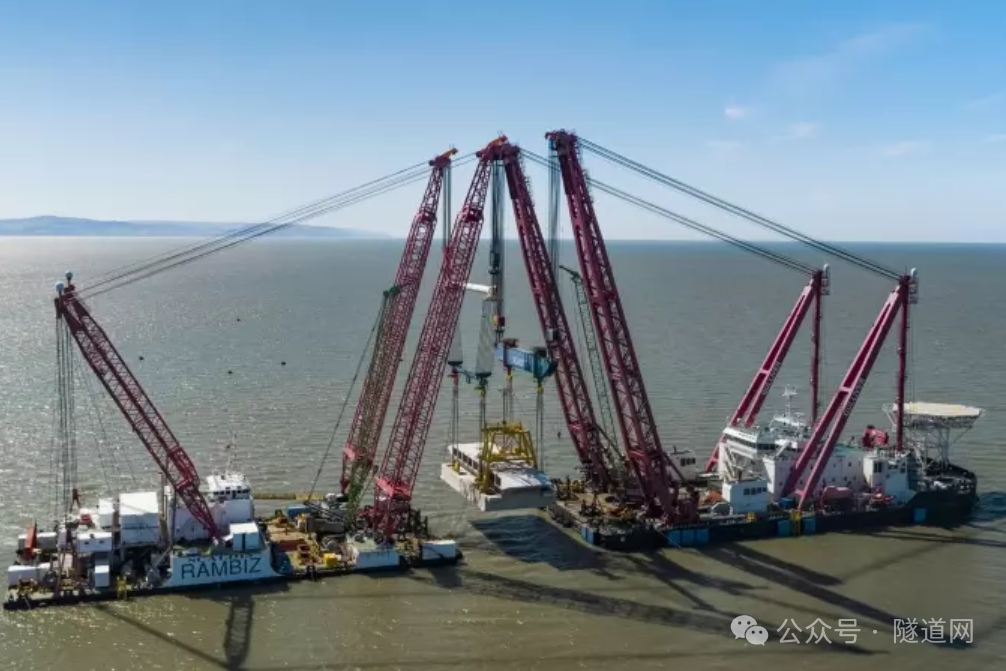
Floating crane in operation
The project team used two jack-up construction vessels to build the shafts. These jack-up vessels carried out shaft construction through reserved openings in the intake/outfall structures.
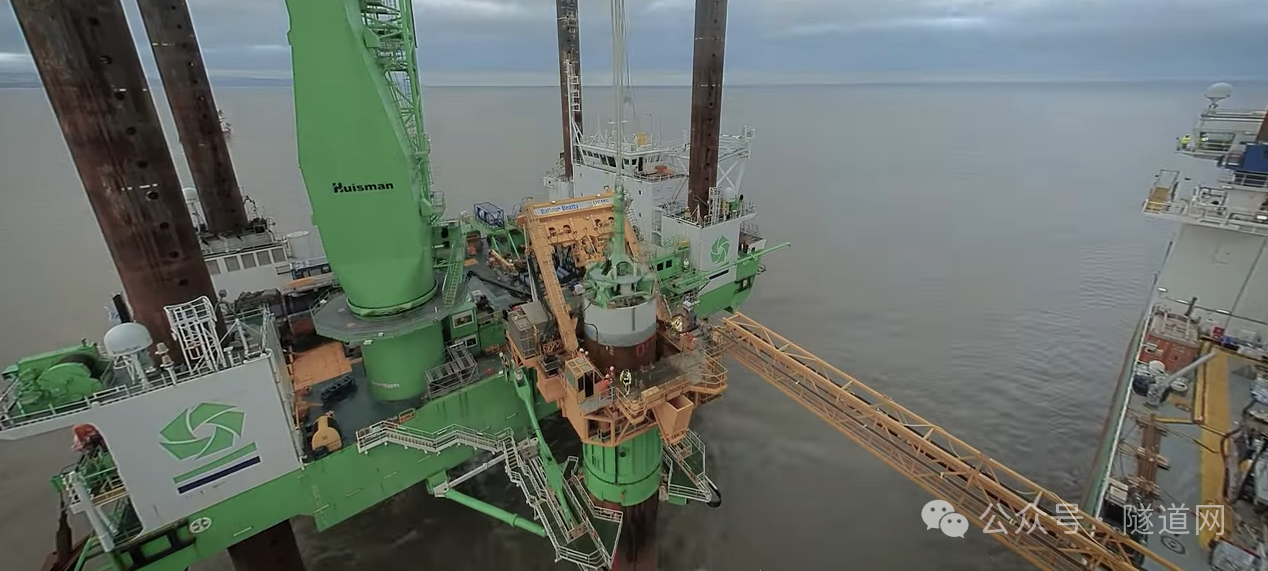
Shaft construction in progress
During the construction of the connecting passages between the tunnels and the intake/outfall structures, the project team used Inner Ring Support (IRP) technology designed specifically for underwater tunnels. The construction of the connecting passages was one of the most complex tasks in the entire project, with the limited working space and underwater environment adding numerous challenges to the work.
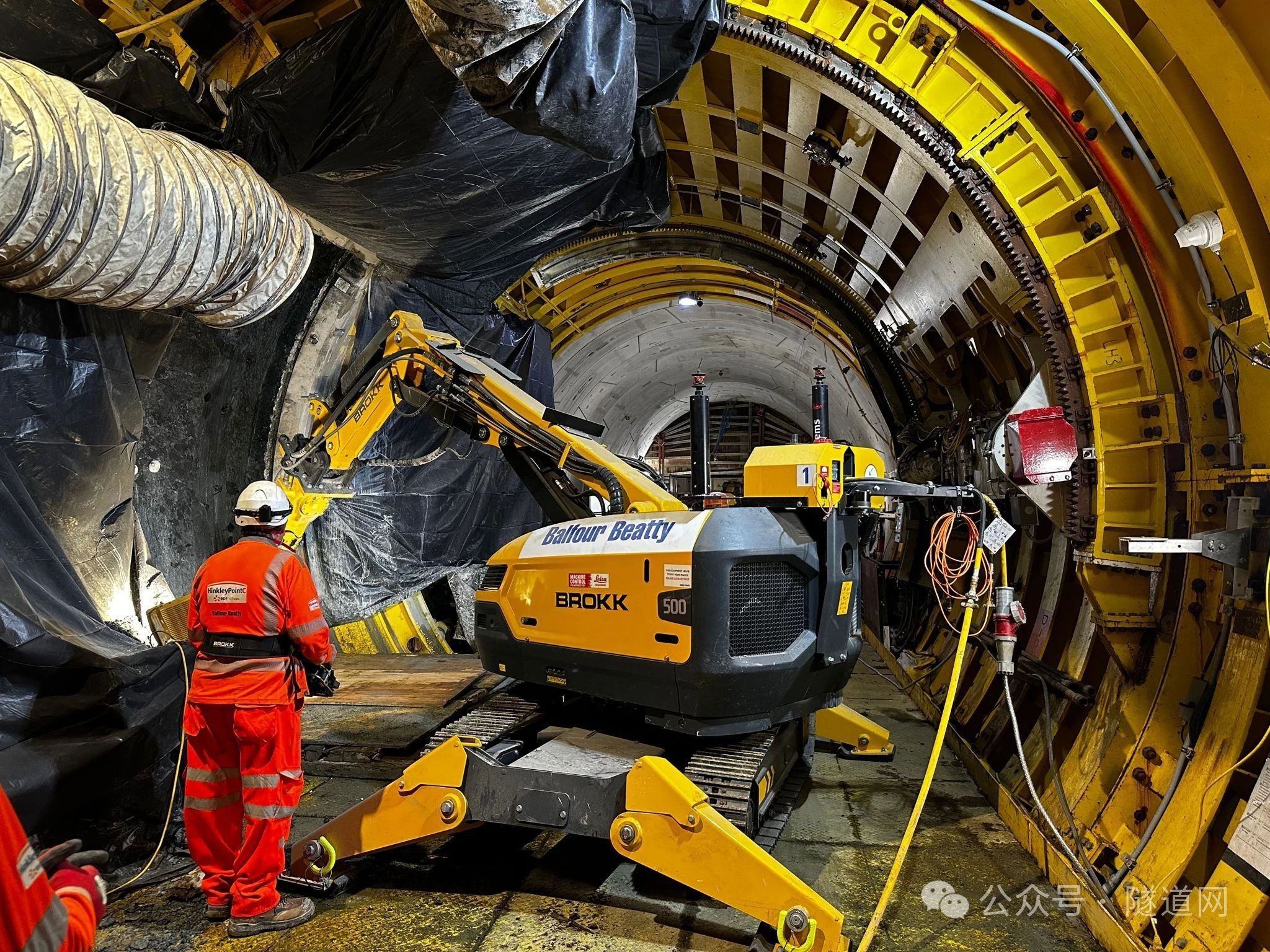
Connecting passage construction
Virtual Verification
■ Virtual segment assembly
Considering that during physical segment assembly tests, the tests might be slow or even fail, and that the tests might not truly and comprehensively reflect the actual stress conditions of the segment rings, the project team conducted several physical segment assembly tests in the early stage of construction and then decided to switch to virtual segment assembly tests.
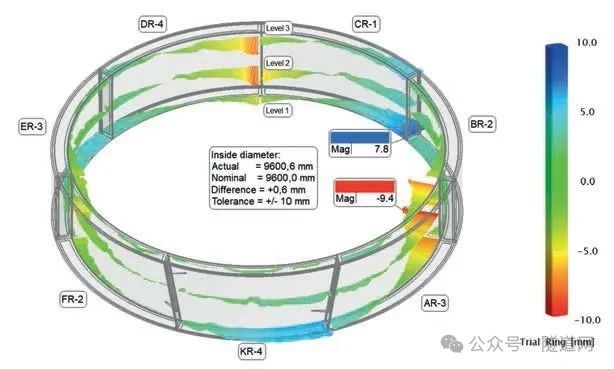
Virtual segment assembly test process
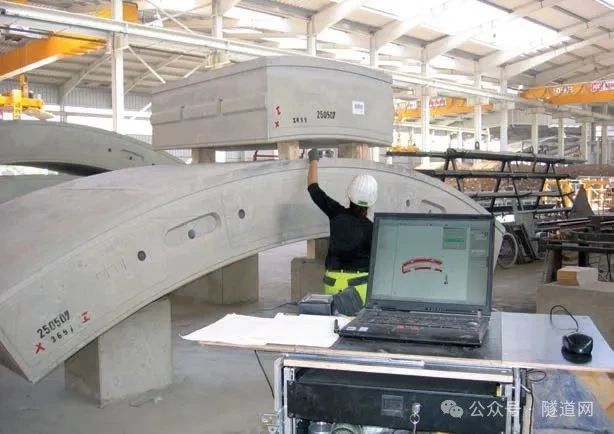
The team used laser measurement equipment to conduct 3D scans of more than 500 segments that had already been cast. The molds used to produce the segments also provided relevant data, and this data was used to create 3D models of the segments.
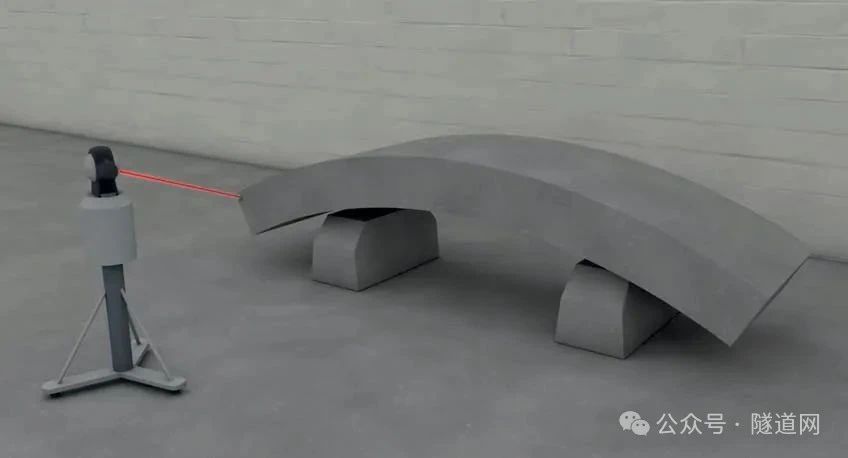
Scanning segments with laser measurement equipment
After the 3D modeling was completed, the program could repeatedly carry out assembly tests automatically or under manual operation. During virtual assembly, operators could normally observe the alignment of joints, check details such as bolt hole fit, and also see internal details that were difficult to observe and measure in physical segment assembly tests, and directly analyze the data within the program.
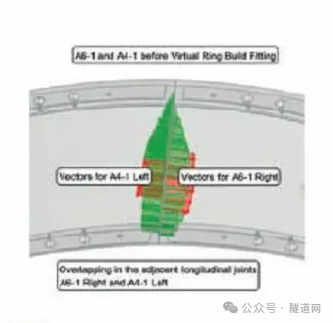
Virtual assembly
■ Other virtual tests
In addition to segment assembly, the project team also created 3D models of the precast segment production line and the various tunnel components, and simulated the entire process of segment production and tunnel construction through software. Through digital simulation, the project team was able to repeatedly test and analyze the production process, and in this way improved the process and increased production efficiency.
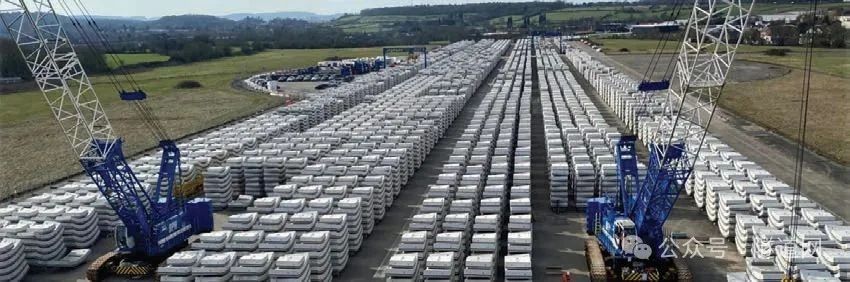
During the design and construction of the intake/outfall structure components, the project team also used 3D modeling plus digital simulation to evaluate structural strength and rebar layout.
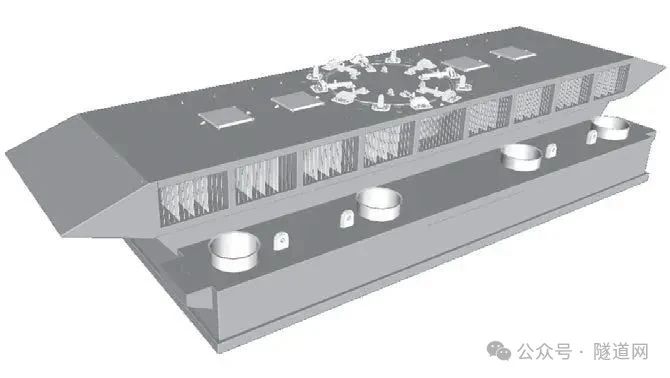
Intake model
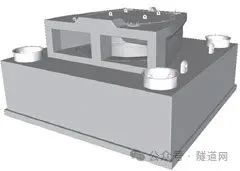
Outfall model
Similar Applications
At present, virtual segment assembly test technology is still in the process of development and promotion. In addition to the Hinkley Point C nuclear cooling water circulation tunnels, its largest application has been in the construction of the Thames Tideway Tunnel in the UK. To save costs, 28 of the 30 test rings for the Tideway Tunnel used virtual segment assembly test technology, and the contractor only needed to build two actual segment test rings.
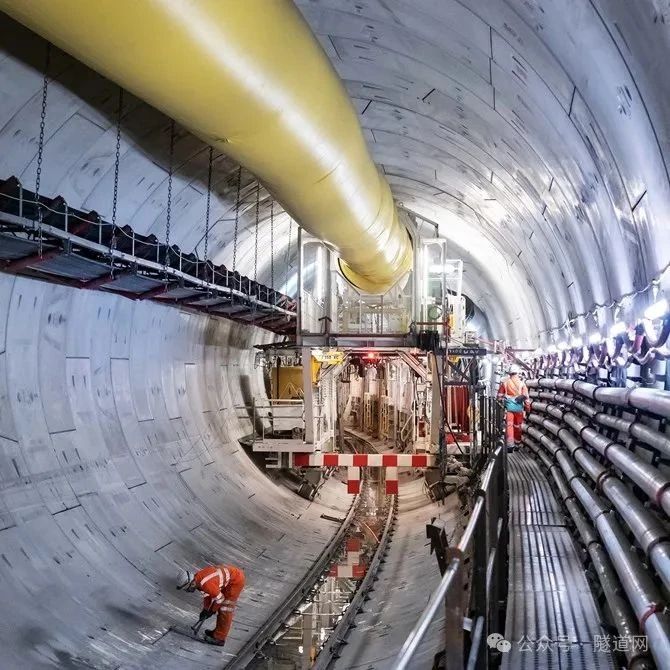
The Tideway Tunnel has now been successfully completed
In recent years, VMT has also been developing and designing related virtual technologies: VMT's virtual segment assembly test technology is likewise based on scanning segments to obtain data, then creating virtual segments and carrying out virtual assembly tests in a computer.
All TBM Sections of the Eastern Extension of Chongqing Rail Transit Line 6 Now Fully Connected
下一篇Pioneer of Virtual Segment Assembly Testing: UK's Hinkley Point C Underground Cooling Water Circulation Project Nears Completion

2026-10-18 0 0

2026-10-18 0 0

2026-10-17 0 0

2026-09-23 10598 0
Lize City Air Terminal Underground Main Structure Nearing Completion: Maximum Transfer Walk Under 4 Minutes After Operation
Anti-seepage Curtain for Main Lock Pit of CSCEC Port Shenqiu Double-Line Lock Project Completed on Schedule
All Pile Foundations Completed on Quanzhou Baiqi Channel

Hainan Upgrades Housing and Municipal Infrastructure
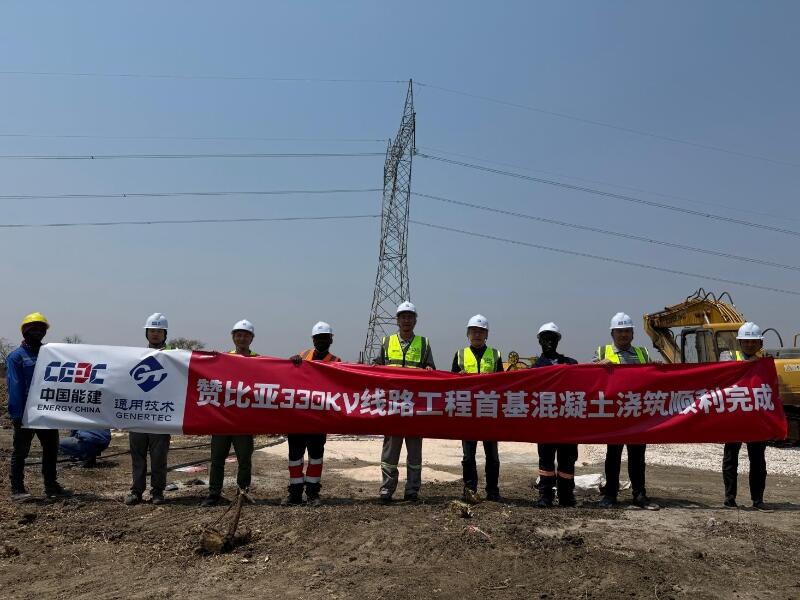
First Foundation Concrete Pour Successfully Completed for Zambia Kafue West–Muzuma 330kV Transmission Line EPC Project
Hot News

评论 (0)